Jigsaw annual report 2025
Jigsaw annual report 2025

Opening messages
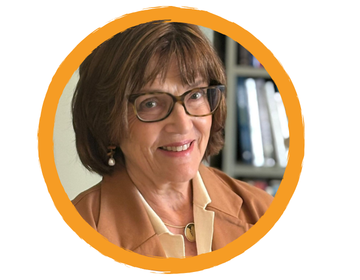
Simonetta Ryan, Chair
As I reflect on 2025, the past year has been defined by both significant challenge and meaningful progress; not only for the young people we support, but across society more broadly and within Jigsaw. The ongoing effects of global uncertainty continue to shape the lives of young people, and the demand for youth mental health services across Ireland remains at an unprecedented level.
Our focus is unwavering: to ensure that every young person in Ireland can access the mental health support they need, when they need it. As the pressures facing young people continue
to evolve, so too has our organisation, adapting our services to meet demand in a timely, effective and accessible way.
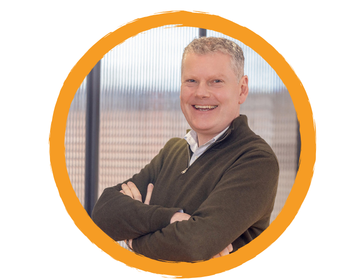
Joseph Duffy, CEO
2025 brought into sharp focus the crisis in youth mental health in Ireland and the unprecedented demand for support. Referrals to Jigsaw were up 23% on the previous year. Behind each of these numbers is a young person and their family who often struggle to know what to do, who to turn to and who to trust.
The crisis in youth mental health is not just an Irish phenomenon but a global trend that shows no sign of abating. Jigsaw has been at the forefront of working with international colleagues to explore how we can collectively improve youth mental health services and supports. In December, we welcomed the First Lady of Ukraine, Olena Zelenska, to our Dublin City service to see directly how our work can contribute to the development of similar services in Ukraine.
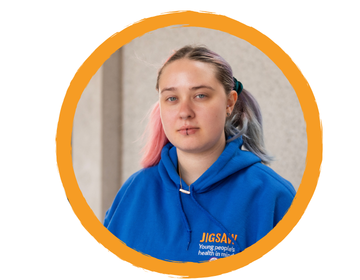
Edel Connolly, Jigsaw National Youth Intern Summer 2025
It has been a privilege to volunteer with Jigsaw over the past few years, giving my input both as a young person and as someone with lived experience. It has been incredibly rewarding to see the impact of my voice and the change I can help create within the organisation. Volunteering has been hugely beneficial for my mental health, giving me the opportunity to meet like
minded peers, find my voice and build my confidence.
My summer working as an intern in the National Office was an opportunity I am deeply grateful for. It was amazing to gain insight into the inner workings of the organisation at a national level, and to work alongside a range of teams across the National Office. This experience helped me understand how Jigsaw’s work comes together to support young people across the country.
Our year at a glance

Referrals to our services up by 23%

Wait times reduced from 8 weeks to 4 weeks

89% satsifaction rate among young people and parents/guardians
Impact at a glance
- 11,064 young people referred to our services
- 62,235 clinical contacts delivered with young people, parents, caregivers and referrers
- 89% satisfaction among young people and parents/carers
- 310,000 people accessed jigsaw.ie 6,238
- 6,238 people took part in workshops and training
- €1.3m in additional funding secured through advocacy
- 76% public trust in Jigsaw
- 2,800,000 people reach through social media
- 39 research outputs strengthening evidence-based care
Together, we are ensuring that every young person‘s mental health is valued and supported.
How we used our resources
€17.30 million
total income
€17.25 million
invested in services and supports
€4+
raised for every €1 spent on fundraising
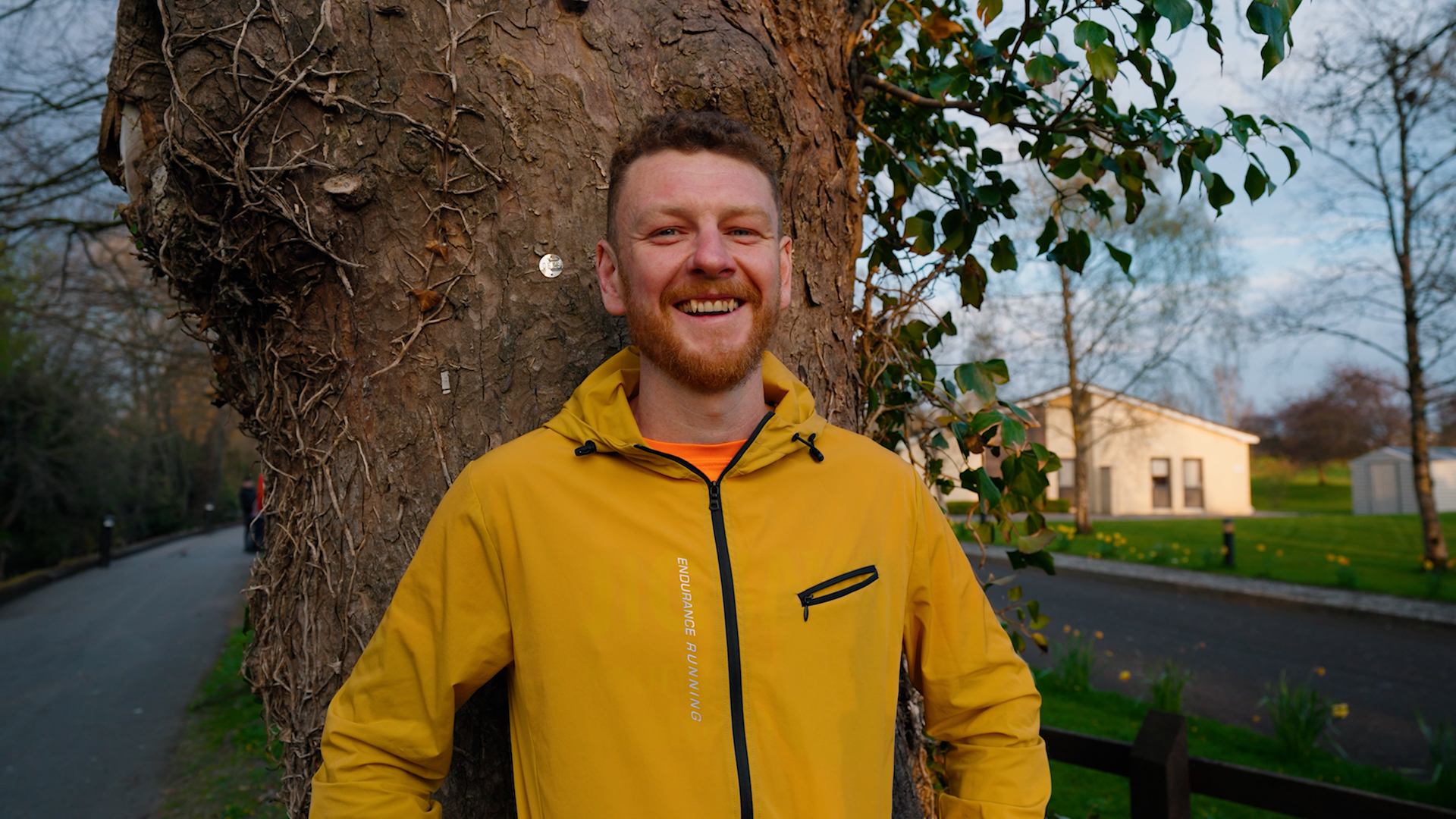
Craig’s story
“I want other people to feel this...Whoever’s willing to get out there…they need you”
After overcoming his own challenges, Craig ran 100km to support Jigsaw – helping to ensure support is there for the next young person who needs it.
Who accesses Jigsaw services
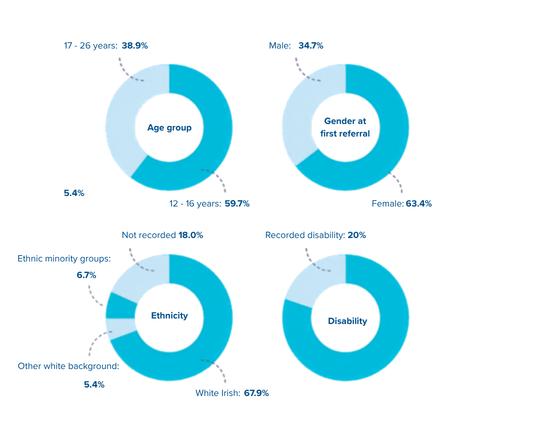
Understanding who is accessing services provides important context for planning, equity and inclusion. Evidence from 2025 shows that Jigsaw primarily supports younger adolescents, with higher referral rates among girls.
While most young people recorded their ethnicity as White Irish, missing data remains a limitation and a priority for improvement.
Over one fifth of young people accessing services were recorded as having a disability.