
Young People’s Mental Health Oireachtas Discussion
Young People’s Mental Health Oireachtas Discussion
A busy week in advocacy: Jigsaw brings young people’s mental health to the Oireachtas
It’s a busy week in advocacy for Jigsaw, as we bring our experience and expertise in youth mental health to two Oireachtas Joint Committee discussions on some of the key issues affecting young people across Ireland.
This Wednesday, November 4th, Jigsaw is appearing before the Joint Committee on Education and the Joint Committee on Health, contributing to discussions on mental health supports in schools and youth settings. Thursday sees us appear before the Joint Committee on Health to discuss issues relating to men’s mental health.
Both appearances provide an important opportunity to highlight the mental health needs of young people, share learning from our work across communities and advocate for greater investment in prevention, early intervention and accessible mental health supports.
Supporting mental health in schools and youth settings
On 4th November, Jigsaw’s Director of Mental Health Promotion, Siobhan McGrory, will contribute to the Joint Committee on Education’s discussion on mental health supports in schools and youth settings, alongside representatives from the Department of Education and Youth and the National Educational Psychological Service (NEPS).
A key focus of our contribution is the importance of preventative, whole-school approaches to mental health and wellbeing, alongside accessible supports that enable young people to get help early.
Through Neart, our partnership with the Department of Education and Youth and the National Educational Psychological Service (NEPS), Jigsaw is working to strengthen the capacity of post-primary schools to promote and support mental health.
Launched in 2025, Neart provides training, resources, webinars and learning opportunities for students, school staff, Student Support Teams and parents. The programme has a growing reach, with more than 4,000 professionals and approximately 3,700 parents and guardians registered. A further 134 schools have registered for the Neart Wellbeing Award.
Our submission highlights the importance of recognising the role of youth work settings beyond the formal education system. Youth organisations provide vital opportunities for social connection, participation, trusted relationships and early support, helping young people to develop resilience, confidence and a sense of belonging.
We also emphasised that schools and youth settings should be central to a joined-up approach to mental health promotion, prevention and early intervention, with strong connections to the HSE and statutory, voluntary and community services.
Putting young men’s mental health in focus
On Thursday 5 November, Jigsaw CEO Dr Joseph Duffy, accompanied by Clinical Director Jason Smith, will appear before the Joint Committee on Health to discuss issues relating to men’s mental health.
Jigsaw’s contribution will focus particularly on the mental health experiences and needs of boys and young men, an important area of work given the particular challenges they can face in recognising distress and seeking support.
Research cited in our submission estimates that approximately 13% of young males aged 15–19 in Ireland experience poor mental health. While mental health difficulties affect young people across genders, completed suicide is more common among men and is one of the leading causes of death among young men in Ireland.
Our submission highlights a number of factors that can affect young men’s mental health, including isolation and loneliness, low social support, a tendency towards self-reliance rather than help-seeking, problematic online content and risky behaviours.
It also draws attention to the additional vulnerabilities experienced by some groups, including young men from the Traveller community and gay, bisexual males and more.
Jigsaw’s own service experience offers further insight. We know male referrals account for approximately 36% of all referrals to Jigsaw, while young men make up around 30% of those accessing our digital offering. During 2026, overall referrals to Jigsaw have increased by 35%, with referrals from both males and females rising.
Young men presenting to Jigsaw often experience a combination of challenges, including anxiety, low mood, suicidal ideation, self-harm, substance use, social isolation, relationship difficulties and questions around identity and masculinity. We have also seen a significant increase in neurodevelopmental difficulties, including autism, ADHD and other learning difficulties.
An important message in Jigsaw’s contribution is that young men may experience similar underlying distress to young women but are more likely to communicate this through behaviours, and may be less likely to seek support at an early stage.
A shared message: prevention, early intervention and investment
Across both committee discussions, a consistent message emerges: we need to invest in mental health promotion and prevention, strengthen early intervention and ensure that young people can access the right support at the right time.
Jigsaw has long called for increased investment in primary care mental health supports for boys and young men, better integration between primary care and secondary and specialist services, and a stronger policy focus on preventing mental ill-health rather than responding only when difficulties become more acute.
As Jigsaw continues its advocacy work, opportunities to influence to policy like those afforded to us this week are crucially important. Our message to policymakers remains clear: young people need accessible, appropriate and timely mental health supports, wherever they learn, live and spend time. By working across education, health and community settings, and by listening to the voices and experiences of young people, we can help build a system that supports positive mental health and enables early intervention before difficulties escalate.

Related news
A youth-led vision for social media and mental health
At Jigsaw, we believe that the voices and lived experiences of young people must be at the heart of conversations about their mental health.
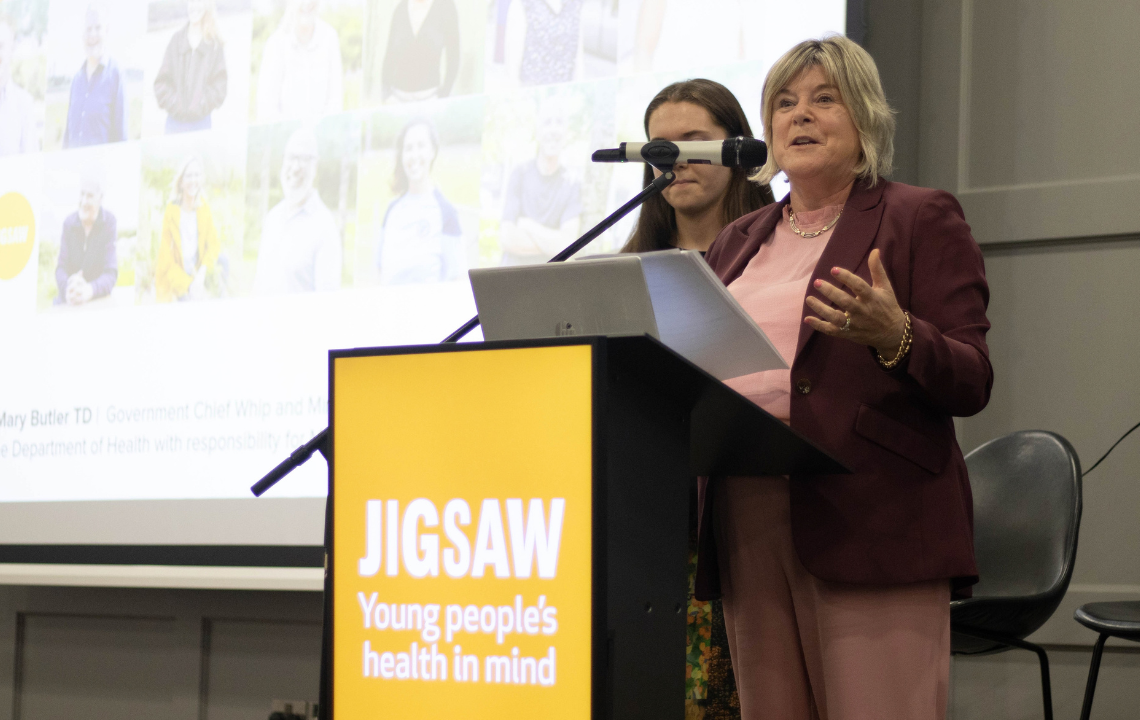
Budget 2027: Jigsaw welcomes vital funding
Jigsaw welcomes today’s announcement of new funding for youth mental health services as a vital step towards nationwide support for young people.
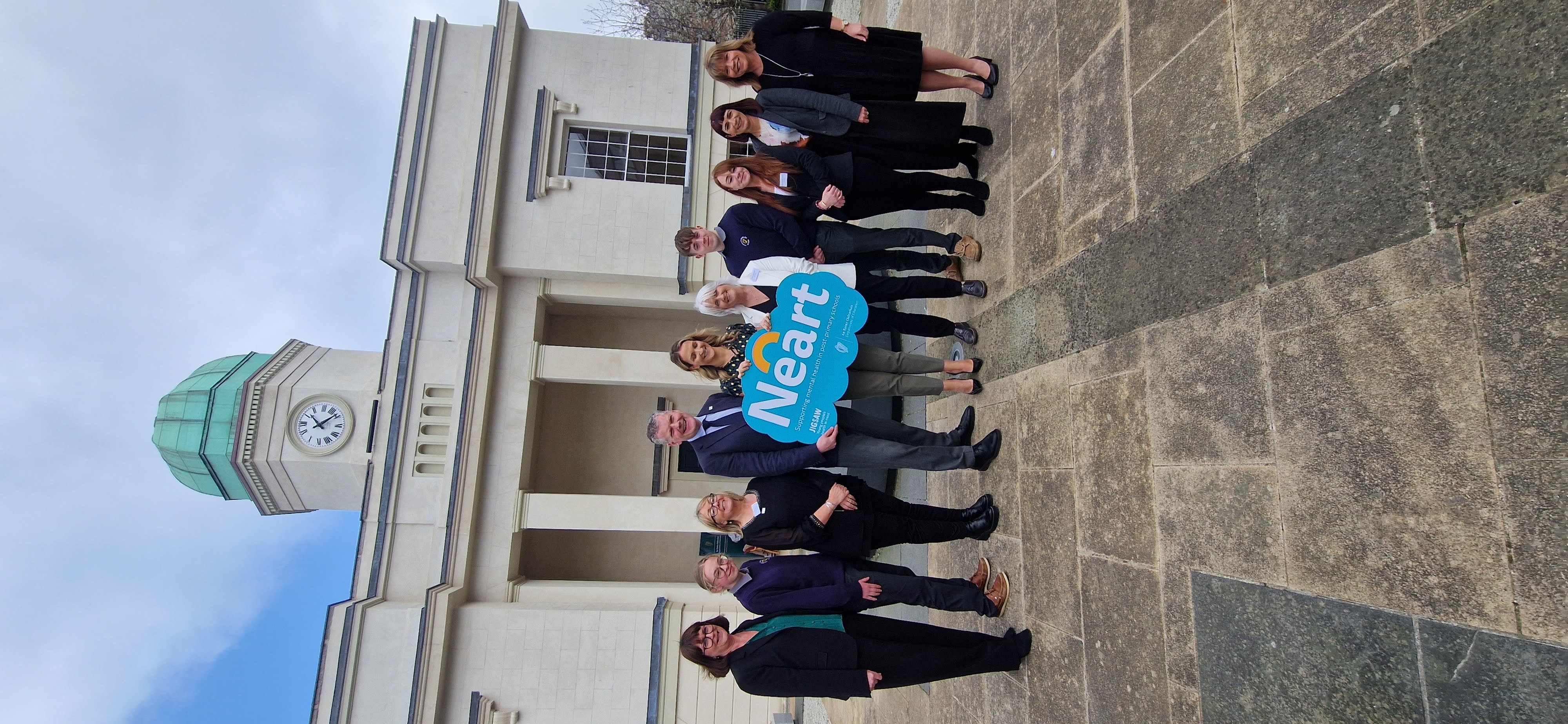
Minister McEntee launches Neart
Minister for Education, Helen McEntee TD, has launched Neart, the new national programme of mental health and wellbeing for post-primary schools.