
Mental health services for over 18s
Mental health services for over 18s
Michelle O'Connor | Reviewed by Dr. Jim Lyng
When you turn 18, you don’t need to tell your parents or guardians that you’d like help for your mental health. This article is all about the places you can go for support.
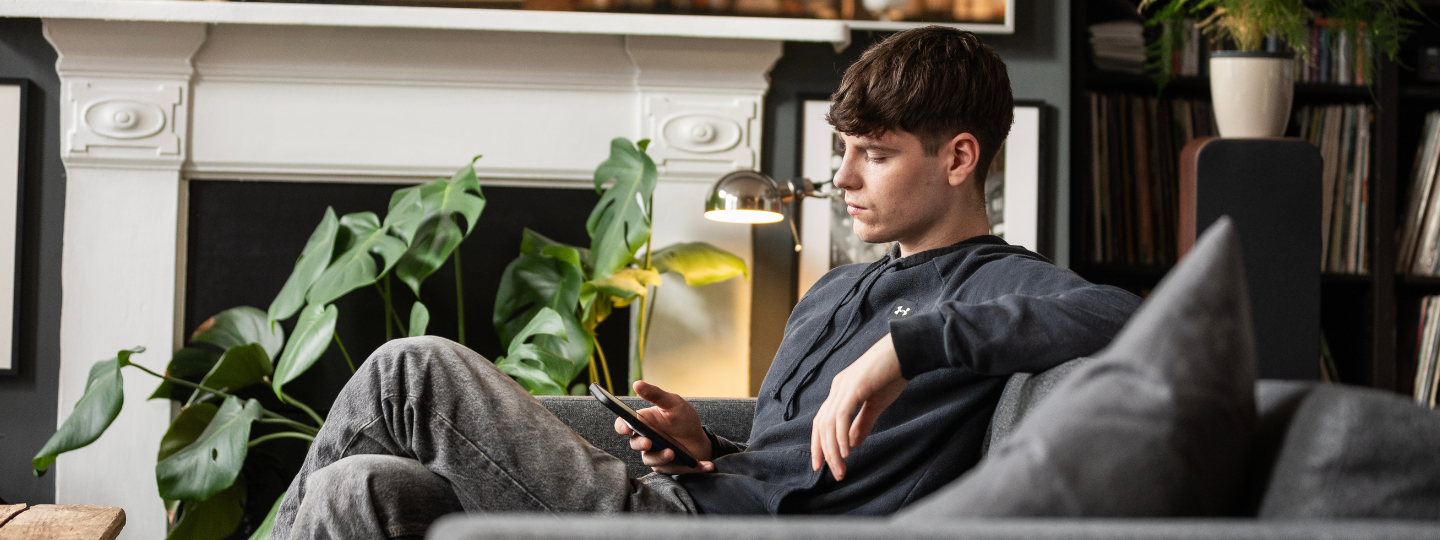
When you turn 18, you don’t need to tell your parents or guardians that you’d like help for your mental health. This article is all about the places you can go for support, depending on what you’re struggling with.
Your GP
Most people like to go to their GP first because they’ll already have a relationship with them. They’ll know your medical history and they know the local places you can go for different issues. This is a good first step too because some mental health services require a professional referral.
At your appointment, they’ll ask you questions about what’s going in your life, any worries or stresses you might have and how you’re feeling about your hobbies and things that interest you. They might also ask about your friends and family and the support you have.
They might ask to do a blood test, to check your vitamin, mineral and hormone levels to see if they might be contributing to your mental health.
After your appointment, your GP might refer you to the Adult Mental Health Services (AMHS) which would be free. They are busy though, and appointments are issued based on the urgency of your needs. You cannot self-refer to AMHS, so you will need to go to your GP first.
School or college counselling
If you’re still in secondary school, you might be able to speak to a guidance counsellor, but not all schools have this support.
If you’re in college, there will most likely be counselling services available from your college health centre. These sessions are offered in blocks of 6 or 12 and are sometimes group sessions, depending on your circumstances.
These sessions will always be free.
Counselling in Primary Care
If you have a medical card, you can get up to eight counselling sessions with a qualified psychologist or therapist for free. This service is designed to help people in the short-term who have mild to moderate mental health issues. It’s not for long-term or crisis support.
Either you or your GP can refer you to Primary Care Counselling.
HSE National Counselling Service
The HSE set up the National Counselling Service to support adults who experienced abuse during their childhoods. This service has counsellors all over Ireland and is a free service.
Jigsaw
Jigsaw provides free mental health support for young people up to the age of 25. If you’re over-18, you can self-refer to us without going to your GP.
There are 14 Jigsaw hubs around Ireland, and each hub has a team of mental health professionals ready to provide one-on-one support for young people.
Low-cost counselling
The waiting times for HSE support can be long, so there are low-cost counselling services available for students, or people on lower incomes.
Specialist services
There are lot of organisations that offer counselling for specific issues, for free, as they get funding from the HSE. These are often charities who only support people with one element of mental health.
Aware
Aware is a charity that offers free talk therapy sessions for people over 18 in Ireland who are dealing with mild to moderate depression or anxiety. If you’re a fit for Aware, you’ll be given 8 CBT talk therapy sessions either in-person or online and each session will last 50 minutes.
Pieta
If you have suicidal ideation, have attempted suicide or are self-harming, Pieta can offer support. They offer free, one-to-one support and you don’t need to be referred by a GP.
They also have 24-hour support available either over the phone (1800 247 247) or if you text HELP to 51444.
BodyWhys
BodyWhys is the Eating Disorders Association of Ireland and they have phone, email and online support for people with eating disorders. Their services are free to access.
HSE Drugs and Alcohol Helpline
If you’re struggling with drugs and/or alcohol, you can call the free phone number to get support: 1800 459 459
Sexual assault
Around Ireland there are rape crisis support centres who are available to help people who have experience sexual assault. The National Helpline is the first place to contact if you need this specialist help, as they can advise you of local resources, 1800 778 888.

Related news
Managing anxiety
Anxiety is a sign something needs your attention. It could be telling you that you may be in danger or something is risky.

Coping with college pressure
With exams and assignments looming and social commitments to keep up with, college can feel overwhelming. We have practical advice for you.

Domestic violence and mental health
Domestic violence can happen in any type of relationship. It is important to remember it is not your fault and help is available.