
Why young people return for mental health support
Why young people return for mental health support
A new study by Jigsaw researchers, funded by the Health Research Board, offers important insights into how young people use mental health services in Ireland.

A new study by Jigsaw researchers, funded by the Health Research Board (HRB), offers important insights into how young people use mental health services in Ireland—and what helps them stay engaged.
The research, led by Jeff Moore, Neil Ryan and Siobhan O’Brien, analysed data from more than 23,000 young people aged 12–25 who accessed Jigsaw services between 2017 and 2022.
The key finding: anxiety drives engagement
One finding stands out.
Young people presenting with anxiety were more likely to attend more sessions than those with other concerns.
In other words, anxiety doesn’t just bring young people through the door—it keeps them coming back for support.
This matters. It suggests that when services respond effectively to anxiety, young people may be more likely to remain engaged with support.
Demand is rising—and it’s not slowing down
The study also found a steady increase in referrals over time, with noticeable seasonal peaks linked to the academic year.
While some of this growth reflects the expansion of Jigsaw services, the continued upward trend points to something bigger: a growing need for accessible youth mental health support.
Not all young people engage in the same way
The research highlights some important differences in how young people use services:
- Young men attended fewer sessions than young women
- Higher distress levels reduced attendance in older young people, but not younger adolescents
- Parental involvement increased engagement for older age groups
These findings remind us that a “one-size-fits-all” approach doesn’t work. Engagement is shaped by age, gender, family context and individual need.
What does this mean for services?
Taken together, the results point to a clear message:
Accessible, responsive, and tailored support is key to helping young people stay engaged.
Understanding what drives attendance—especially the strong role of anxiety—can help services like Jigsaw continue to adapt and improve.
As demand grows, these insights are vital. They help ensure that services are not only available, but designed in ways that truly meet young people where they are.

Related news

Why I Run: A Teacher’s Story
What started as a COVID lockdown hobby has grown into something much more meaningful - a way to give back to the service that helps her students find ...
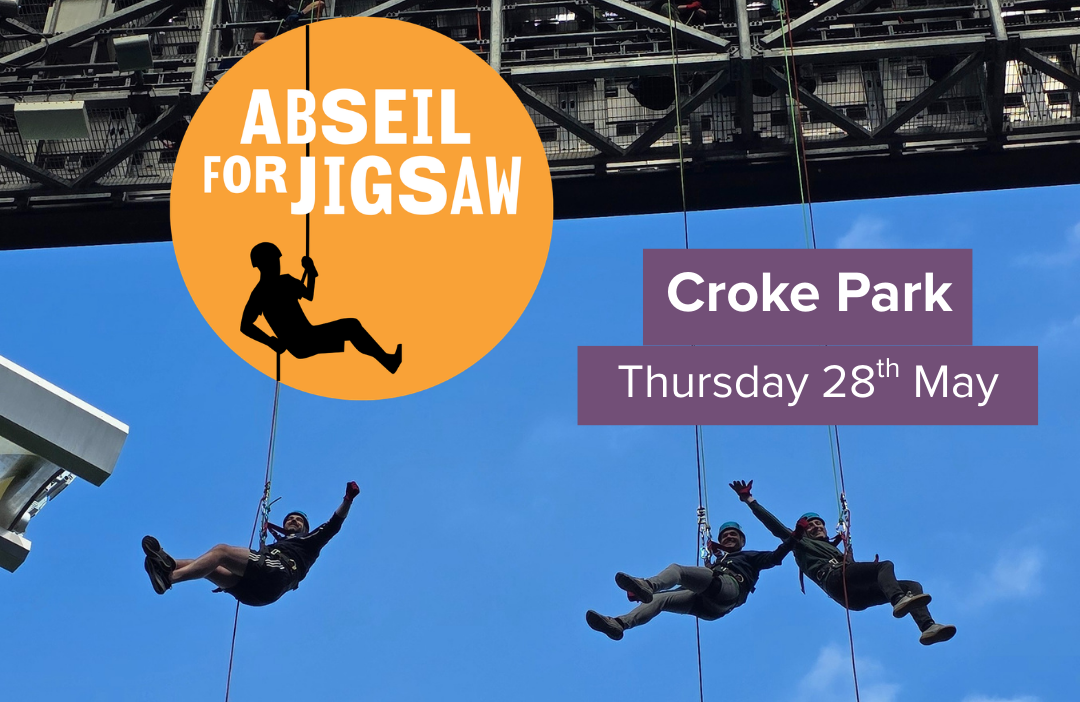
Abseil for Jigsaw
With just 40 spots available, we encourage you to sign up to avoid missing out on what will be a great day in Croke Park.

Wicklow councillors champion youth mental health
We are committed not only to supporting young people directly, but also to advocating for stronger systems, better access, and lasting change in youth...