
PEARL: Helping young people navigate big feelings
PEARL: Helping young people navigate big feelings
The PEARL project is focused on understanding the role emotion regulation can play in supporting positive mental health for young people and the adults who care for them.
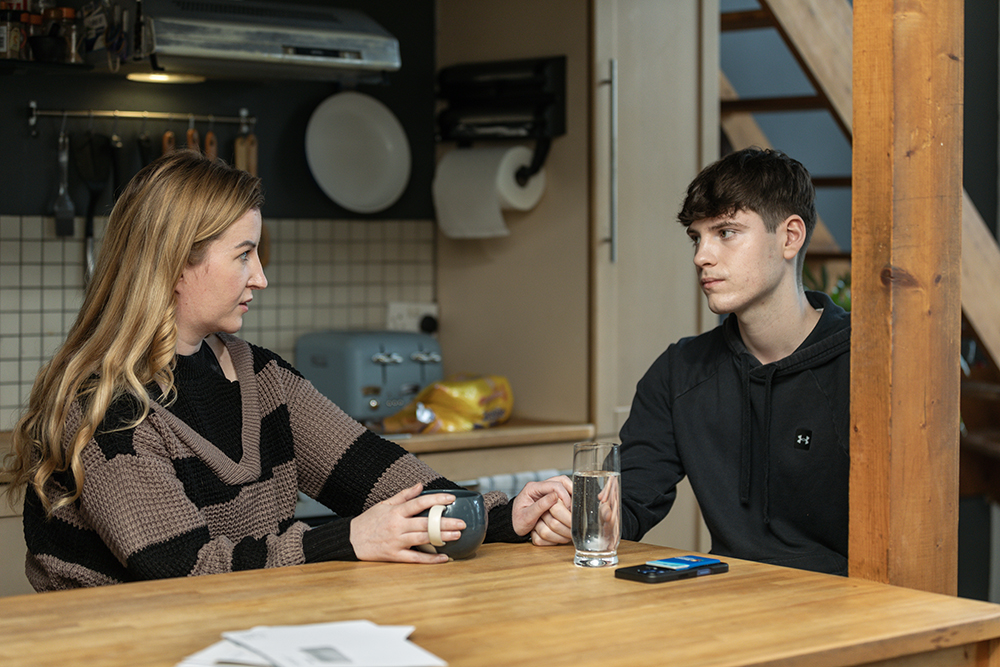
When a young person is struggling, it can show up in ways that are hard to name – snapping over small things, withdrawing, sleeplessness, worry that won’t switch off, or emotions that feel suddenly “too much”. For parents and caregivers, those moments can bring a mix of concern, confusion, and a very human question: What’s the right thing to do here?
That’s the heart of PEARL, a new research project being developed through a partnership between the Univeristy of Limerick and Jigsaw. PEARL is focused on understanding the role emotion regulation can play in supporting positive mental health for young people and the adults who care for them.
What do we mean by “emotion regulation”?
Emotion regulation doesn’t mean never getting upset, or trying to “fix” feelings. It refers to how we notice, make sense of, and respond to emotions, especially when they’re intense. For young people, emotion regulation skills can shape how they cope with stress, conflict, disappointment, and change. For parents and caregivers, emotion regulation also matters because staying present in a difficult moment, even when you’re worried, can help a young person feel safer and less alone.
PEARL’s research focus is simple and important: how can we better support emotion regulation in young people, and how can parents be supported to play a positive role in that process?
What is PEARL?
PEARL stands for “Promoting Emotion Regulation and Positive Mental Health in Adolescents Through Leveraging Parental Engagement.” In practice, the project aims to develop and pilot a digital, scalable, emotion-focused parenting programme designed to support young people’s emotion regulation and promote positive mental health.
A key part of PEARL is its focus on parental engagement, not as an add-on but as a meaningful part of prevention and early support. Many parents want to help, but don’t always have practical tools or guidance that feel relevant to everyday life. PEARL is exploring what support for parents can look like when it’s designed to be accessible, realistic, and grounded in what families are actually experiencing.
Built with families, not just for them
One of the most valuable features of PEARL is its participatory co-design approach. That means the programme won’t be developed in isolation. Instead, it will be shaped with input from:
- young people (aged 12–25)
- parents/primary caregivers
- and professionals working in youth mental health and family support
This approach matters because families aren’t one-size-fits-all. Language, format, and practicality make a huge difference to whether support feels usable—especially when life is already busy or stressful. Co-design helps ensure the programme is meaningful, accessible, and informed by lived experience.
Right now, the research team is running a series of consultations with parents, young people, and professionals to help guide the development of the programme.
A partnership between research and frontline practice
PEARL is being led by PhD researcher Sarah O’Leary in the Department of Psychology at the University of Limerick. The work is supervised primarily by Professor Jennifer McMahon (Head of Department of Psychology, UL), with collaboration from Professor Siobhán Howard (UL). It’s delivered in partnership with Jigsaw, with involvement from Dr Jeff Moore (Research Director, Jigsaw Ireland) and Fiona Hughes (Regional Clinical Manager, Jigsaw Ireland).
This collaboration brings together academic expertise and the reality of frontline youth mental health work—so the research stays connected to what matters in practice.

Related news

Why I Run: A Teacher’s Story
What started as a COVID lockdown hobby has grown into something much more meaningful - a way to give back to the service that helps her students find ...

Abseil for Jigsaw
With just 40 spots available, we encourage you to sign up to avoid missing out on what will be a great day in Croke Park.

Four small shifts for better connection with your teen
Many parents want to support their young person, but they are not always sure how to start the conversation or keep it going.