Jigsaw
Search Jigsaw

Young voices leading the way – Advocacy event at Dublin 15 Hub

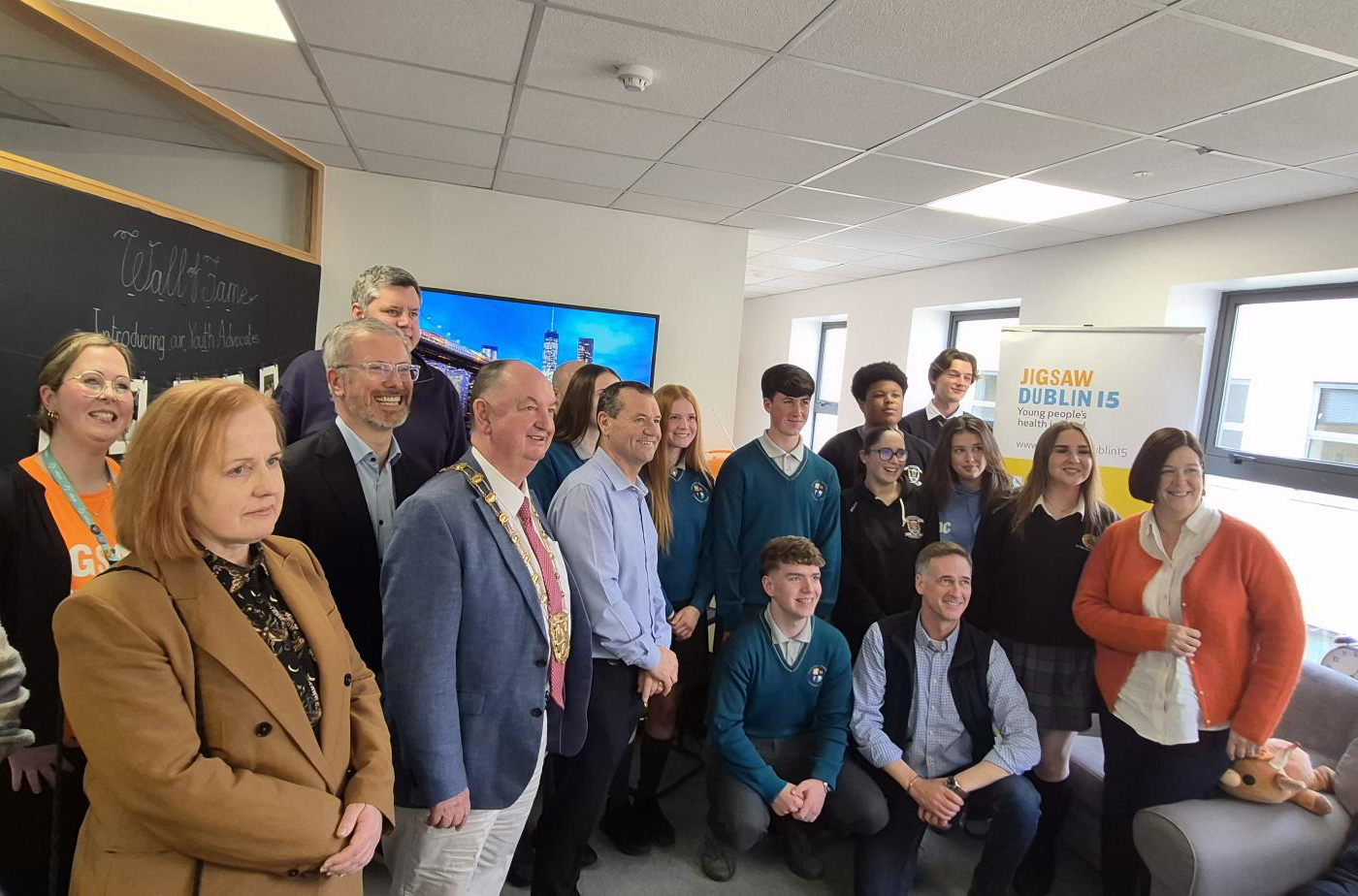
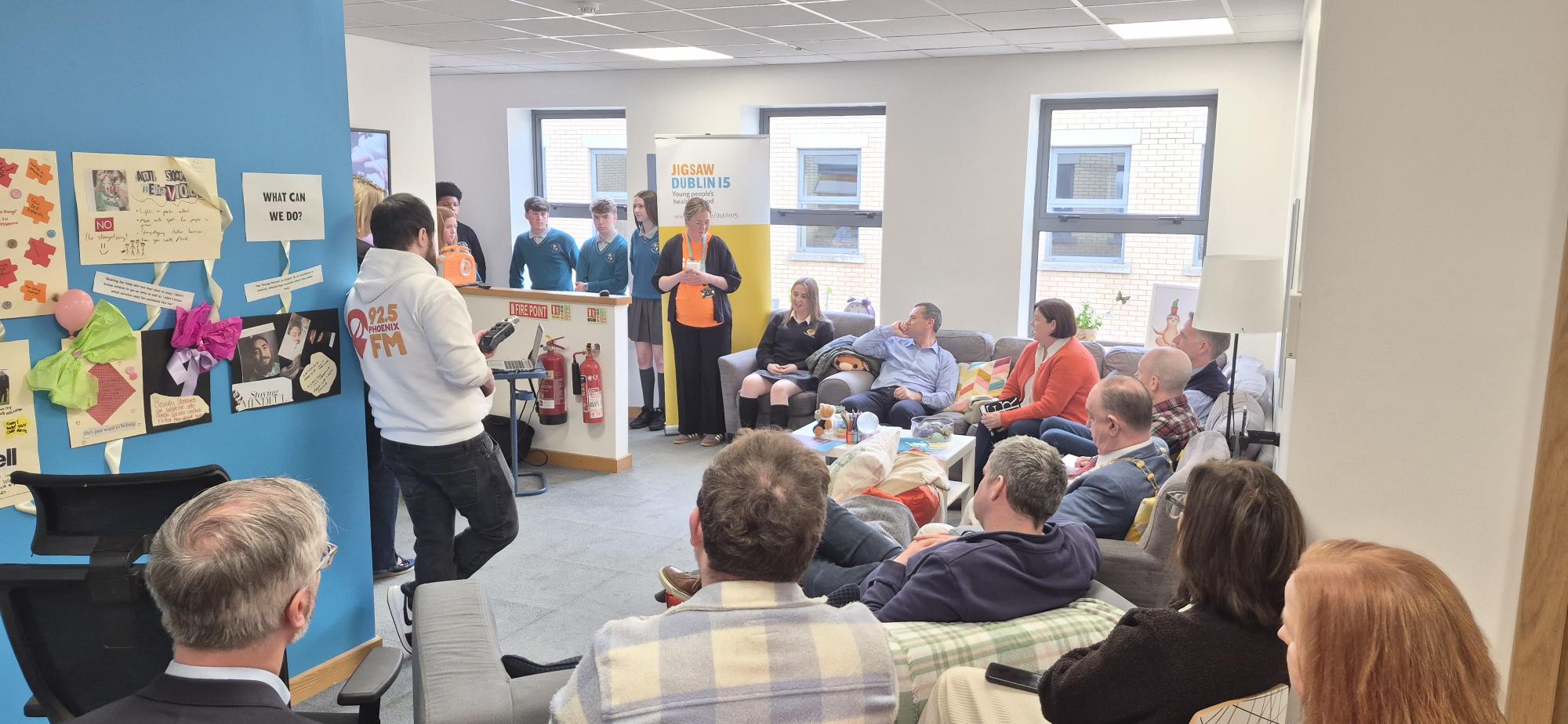
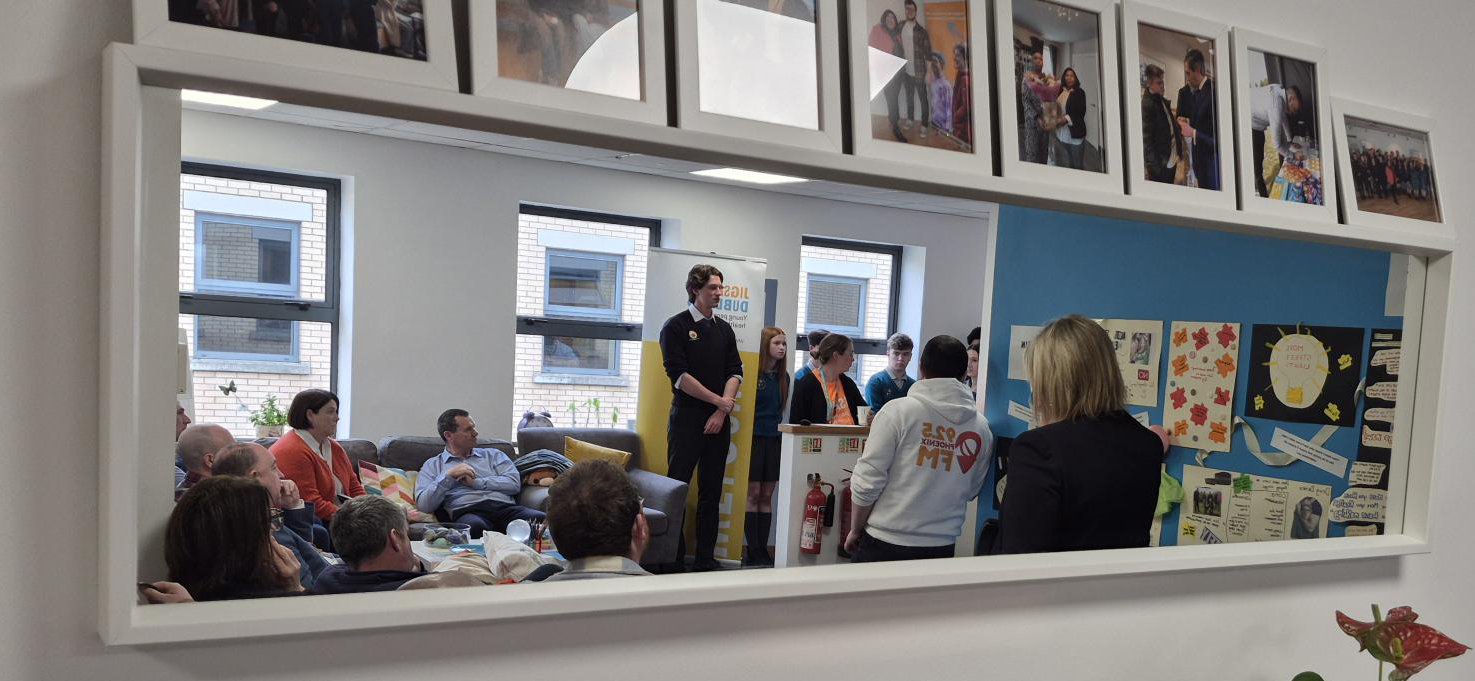
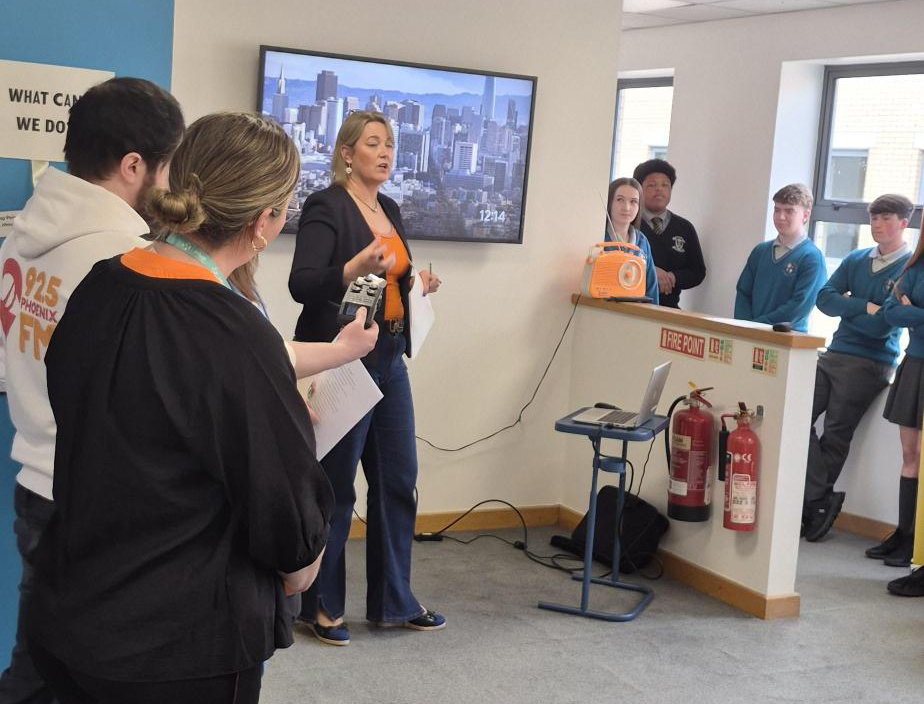
Jigsaw Dublin 15 hosted a powerful youth advocacy event in the Dublin 15 Hub, bringing together young people, educators, and public representatives to spotlight the issues that matter most to young people in the community.

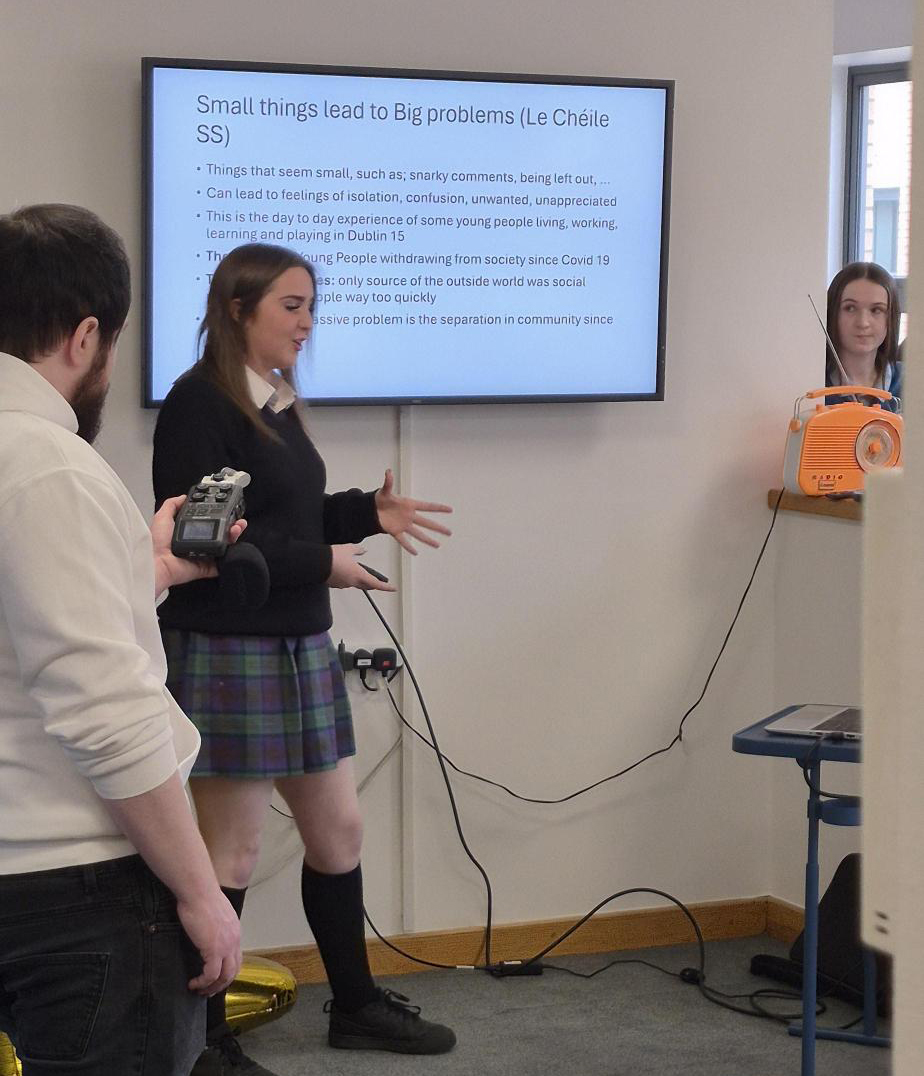
At the heart of the event were Transition Year students from a number of local schools, who delivered thoughtful and engaging presentations on the challenges facing young people in their area. Participating schools included Le Chéile Secondary School, Hansfield Educate Together Secondary School, Coláiste Pobail Setanta, Hartstown Community School, and Blakestown Community School. Castleknock Community College was also involved in the wider project, although their students were unfortunately unable to attend on the day.

The event was organised by Service Manager Lorraine Halpin and Youth Community and Engagement Worker Teresa Howe along with the D15 Jigsaw team whose leadership helped create a meaningful space for young people’s voices to be heard.

Young people speaking up

The students spoke with insight and confidence about a range of local issues impacting their lives and wellbeing. Their presentations highlighted both the challenges young people face and the opportunities for change, with a strong focus on mental health, access to supports, and the importance of safe, inclusive spaces.

Alongside the student presentations, attendees also heard from Jigsaw staff about the organisation’s work and the broader challenges affecting young people’s mental health, both locally and nationally.

The event also featured a powerful contribution from young author Brooke Coleman, who performed original poetry reflecting on what it is like to be a young person today. In addition, Jigsaw Youth Advocate Mariam Sobayo spoke about her own experiences, further grounding the discussion in the lived realities of young people.

Engaging with decision-makers

A key part of the event was the opportunity for young people to share their perspectives directly with local and national representatives.

We were delighted to welcome:

Teachtaí Dála (TDs):

  • Paul Donnelly (Sinn Féin)
  • Roderic O’Gorman (Green Party)
  • Ruth Coppinger (Solidarity)

Fingal County Council representatives:

  • Mayor of Fingal, Cllr Tom O’Leary (Fine Gael)
  • Cllr Ted Leddy (Fine Gael)
  • Cllr Angela Donnelly (Sinn Féin)
  • Cllr Gerard Sheehan (Aontú)
  • Cllr John Burtchaell (Solidarity)
  • Luke Daly on behalf of Cllr Mary McCamley (Labour Party)

Their attendance created a valuable space for dialogue, where young people could speak directly to those in positions to influence change.

Meaningful conversations and real engagement

One of the most positive aspects of the day was the level of engagement from councillors and TDs. There were open and constructive discussions about:

  • What can be done locally to better support young people
  • The role of national policy in shaping young people’s experiences
  • How services like Jigsaw can be strengthened and expanded

Young people were not only heard—they were taken seriously. Their ideas, concerns and lived experiences sparked important conversations and reflection among decision-makers.

Building momentum for youth advocacy

This event highlighted the impact of creating spaces where young people can share their voices and be part of shaping solutions.

It also demonstrated the value of collaboration between schools, youth services, and local representatives. By bringing these groups together, meaningful conversations can take place—grounded in the real experiences of young people and focused on practical ways forward.

Moments like this highlight what can happen when young people are given the opportunity, support, and platform to share their perspectives. Bringing together schools, services and local representatives creates space for conversations that might not otherwise happen—and helps to strengthen connections across the community.


What drives young people to keep coming back for mental health support?

A new study by Jigsaw researchers, funded by the Health Research Board (HRB), offers important insights into how young people use mental health services in Ireland—and what helps them stay engaged.

The research, led by Jeff Moore, Neil Ryan and Siobhan O’Brien, analysed data from more than 23,000 young people aged 12–25 who accessed Jigsaw services between 2017 and 2022.

The key finding: anxiety drives engagement

One finding stands out.

Young people presenting with anxiety were more likely to attend more sessions than those with other concerns.

In other words, anxiety doesn’t just bring young people through the door—it keeps them coming back for support.

This matters. It suggests that when services respond effectively to anxiety, young people may be more likely to remain engaged with support.

Demand is rising—and it’s not slowing down

The study also found a steady increase in referrals over time, with noticeable seasonal peaks linked to the academic year.

While some of this growth reflects the expansion of Jigsaw services, the continued upward trend points to something bigger: a growing need for accessible youth mental health support.

Not all young people engage in the same way

The research highlights some important differences in how young people use services:

  • Young men attended fewer sessions than young women
  • Higher distress levels reduced attendance in older young people, but not younger adolescents
  • Parental involvement increased engagement for older age groups

These findings remind us that a “one-size-fits-all” approach doesn’t work. Engagement is shaped by age, gender, family context and individual need.

What does this mean for services?

Taken together, the results point to a clear message:

Accessible, responsive, and tailored support is key to helping young people stay engaged.

Understanding what drives attendance—especially the strong role of anxiety—can help services like Jigsaw continue to adapt and improve.

As demand grows, these insights are vital. They help ensure that services are not only available, but designed in ways that truly meet young people where they are.


Jigsaw Wicklow engages local Councillors to champion youth mental health

At Jigsaw, we are committed not only to supporting young people directly, but also to advocating for stronger systems, better access, and lasting change in youth mental health.

Recently, our team in Wicklow brought that commitment into a key local decision-making space through a deputation to Wicklow County Council’s Bray Municipal District—an engagement that has also been recognised in local media.

Bringing youth mental health to local decision-makers

Youth Community Engagement Worker, Adam Burke, alongside Senior Clinician Clara O’Shea Collins and Youth Advocate Ceoladh Fenlon, presented an overview of Jigsaw Wicklow’s work and our key advocacy priorities to local councillors.

The meeting was chaired by Councillor Melanie Corrigan and attended by councillors Ned Whelan, Malachai Duddy, Joe Behan, Ian Neary and Caroline Winstanley, council staff, local press and members of the public.

The deputation had been organised by Cllr Erika Doyle, Green Party Councillor for Bray East and Cathaoirleach of Bray Municipal District, who unfortunately was unable to attend on the day due to illness.

Responding to growing need

As outlined during the presentation—and reflected in recent coverage in the Irish Independent—demand for youth mental health support continues to grow, with services facing sustained pressure from a range of factors impacting young people’s wellbeing.

Our team shared the impact of their work in Wicklow:

  • Over 400 young people completing therapy in 2025
  • Reduced waiting times through our single-session model
  • More than 3,000 people reached through workshops in the past two years
  • Continued expansion of early intervention and prevention work across communities.

These insights helped ground the discussion in both the scale of need and the effectiveness of early intervention models.

Councillors show strong support

The response from councillors was overwhelmingly positive, with clear recognition of both the need for youth mental health services and the impact of Jigsaw’s approach.

As reported locally, there was a shared understanding among elected representatives of the “unprecedented demand” facing youth mental health supports, alongside strong backing for early intervention services like Jigsaw.

Councillors also spoke about the value of community-based, youth-friendly supports and the importance of ensuring young people can access help early—before difficulties escalate.

Centred on youth voice

A key strength of the engagement was the inclusion of youth voice. Ceoladh Fenlon’s contribution brought lived experience into the room and highlighted the importance of meaningful youth participation in shaping services.

This reflects a core principle of Jigsaw’s work—“nothing about us, without us”—ensuring that young people are not just recipients of services, but active contributors to how they are designed and delivered.

Building on local partnerships

The discussion also acknowledged the role of strong local partnerships in supporting youth mental health in Wicklow, including community initiatives and long-standing advocates who have championed this work over many years.

These connections remain central to how Jigsaw operates—working collaboratively with communities, schools and local stakeholders to build a more supportive environment for young people.

From conversation to action

Importantly, the deputation was not simply a presentation—it was the beginning of an ongoing dialogue.

Councillors expressed a willingness to stay engaged, with interest in visiting the local Jigsaw service and continuing discussions around the practical steps needed to strengthen support for young people in the area.

Why local advocacy matters

Engaging with local representatives is a vital part of delivering on Jigsaw’s mission. It allows us to:

  • Highlight emerging needs within communities
  • Share evidence of what works in early intervention
  • Advocate for accessible, youth-friendly services
  • Ensure youth voice is heard where decisions are made

Encouraging collective action

The experience in Wicklow shows that local advocacy can be both constructive and impactful. By bringing together data, practice, and youth voice, it is possible to build understanding—and momentum—for change.

We would encourage services and organisations across the country to explore similar opportunities to engage with local decision-makers. These conversations matter, and they can help shape more responsive, supportive systems for young people.

Looking Ahead

This engagement marks an important step in ongoing advocacy efforts. With strong support from local representatives and a shared recognition of the challenges facing young people, we look forward to continuing this work—ensuring that youth mental health remains a priority at every level.

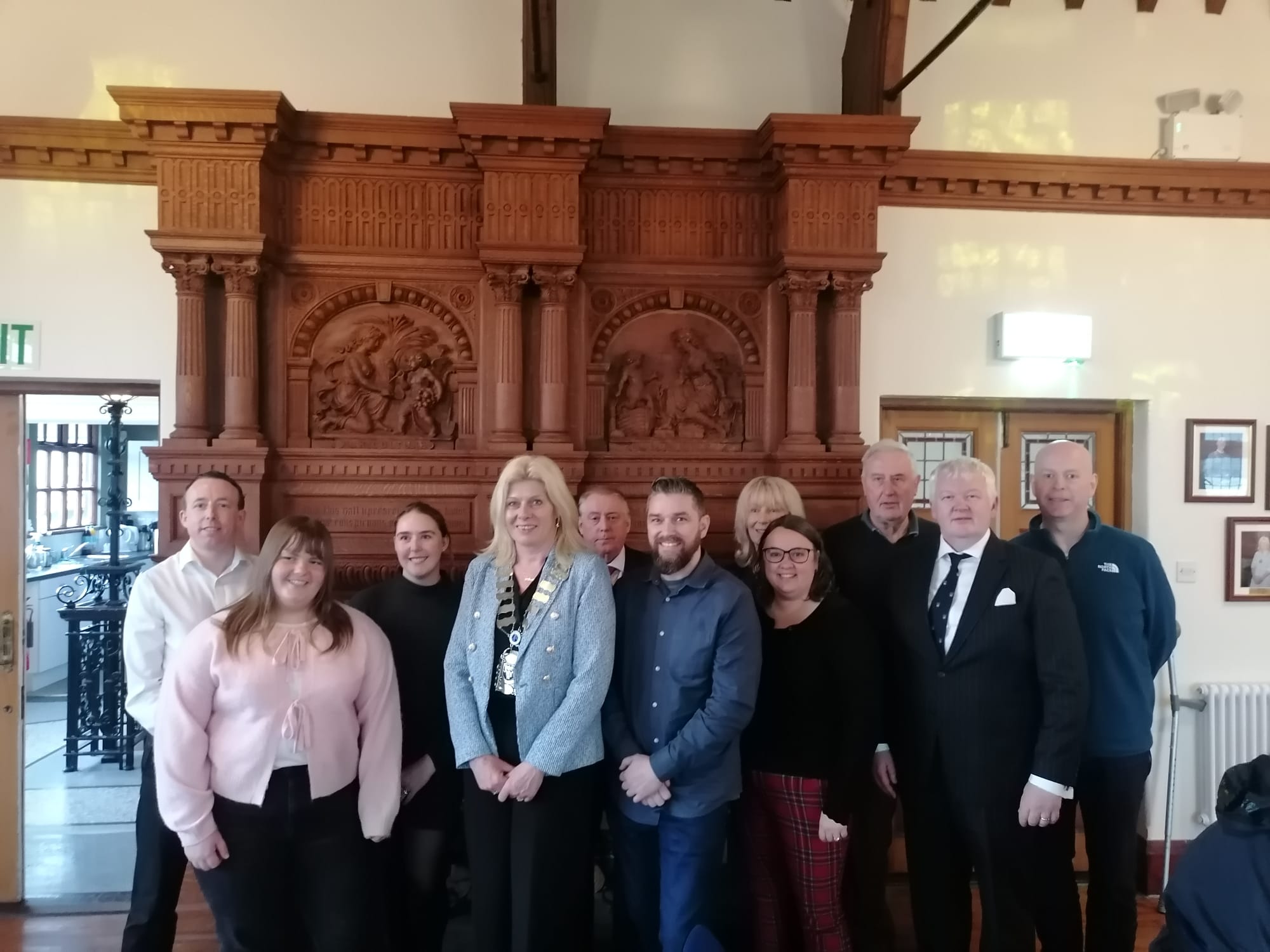
PHOTO CAPTION: L – R: Ian Neary (Independent Ireland), Ceoladh Fenelon (Jigsaw Wicklow Youth Advocate), Clara O Shea Collins (Jigsaw Wicklow Senior Clinician), Melanie Corrigan (Fine Gael), Joe Behan (Independent), Adam Burke (Jigsaw Wicklow YCEW), District manager Jackie Carroll, Caroline Winstanley (Soc Dems), Edward Whelan (Fine Gael), Malachai Duddy (Non- Party) A/District Executive Engineer Stephen Fox.

 

We need your help – to shape the future of youth mental health services

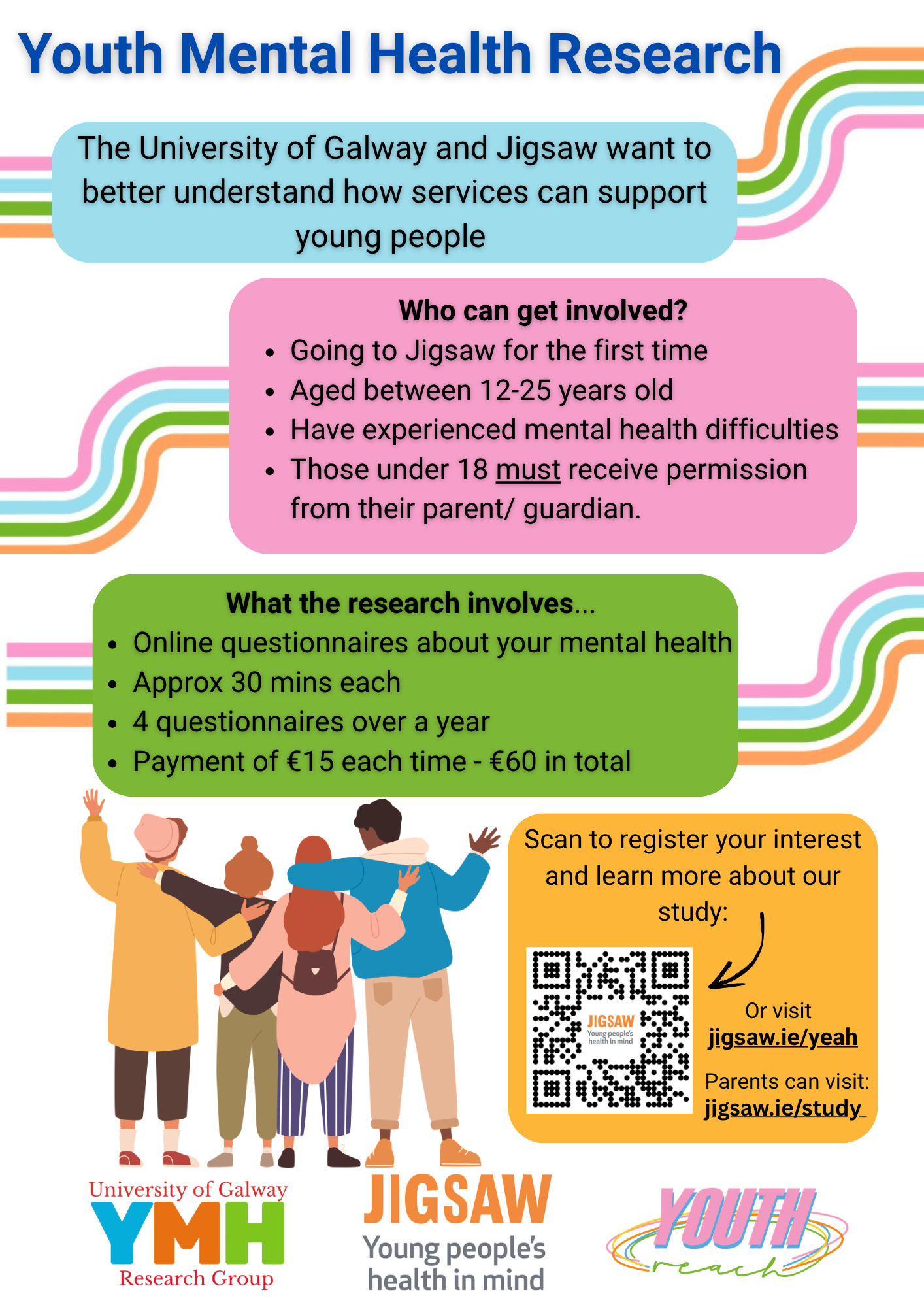
If you are coming to Jigsaw for the first time, we’re inviting you to help improve mental health services for young people.

Jigsaw is taking part in an important EU‑funded research study called YOUTHreach, led by the University of Galway. To make this research meaningful, we need to hear directly from young people and families at the very start of their journey with our service.

Who we are looking for

We are currently inviting:

  • Going to Jigsaw for the first time
  • Aged between 12 and 25

Those under 18 will need the consent of their parent or carer.


Why your participation matters

Your experience at the beginning of using Jigsaw is incredibly important.

By taking part, you can:

  • Help us understand what it’s really like to start using a mental health service
  • Shape how Jigsaw and similar services are delivered in the future
  • Contribute to research that will improve supports for young people across Ireland and Europe

Quite simply — your voice can help make services better for others.

What taking part involves

If you’re invited, the research team from the University of Galway will explain everything clearly before you decide.

Taking part includes:

  • Four online interviews, each about 30 minutes long
  • Flexible times that suit you and your family
  • A €60 payment to thank you for your time

For young people under 18, a parent or carer will also need to give consent.

Important to know

  • Taking part is completely voluntary
  • Saying yes or no will not affect your care at Jigsaw
  • Everything you share is confidential and handled securely

A message from Jigsaw

Dr Jeff Moore, Director of Research at Jigsaw, says:

“By taking part, young people have an opportunity to share their experience and help improve youth mental health services for others. Participation is voluntary, confidential, and separate from the care provided by Jigsaw.”

Will you help?

If you are invited to take part — and feel comfortable doing so — we strongly encourage you to consider it.

We need your help to improve youth mental health services for the future.


Back To Top