
Category: Relationships
How to talk to a young person about toxic relationships

Relationships are a central part of life, especially for young people embarking on new friendships and romantic connections. The best relationships build confidence and resilience, but toxic relationships can harm your mental health.
It’s important to talk with young people about what are the signs of toxic behaviours within relationships and how we can all work to have healthy connections.
Domestic violence and mental health

Over the lockdown restrictions, we were asked to stay at home where possible. This was really challenging if home was not somewhere safe.
Domestic violence can happen in any type of relationship, no matter what your age, gender or sexuality. It can also happen in any family, regardless of culture, status or financial situation.
If you have experienced domestic violence you are not alone. One study by the National Crime Council has shown 15% of women and 6% of men in Ireland have been subjected to domestic abuse.
Domestic violence is not your fault, and help is available. Both local and national services are still open and offering support, despite the pandemic.
In this article you will find:
Watch: Active listening

We’ve all had the experience of trying to say something to someone who is not really listening to us.
Active listening
In this animation we show how we can engage in active listening by showing young people these verbal and non-verbal signs:
Non-verbal
- Eye contact, nodding and smiling
- Leaning forward
- Mirroring body language
Verbal
- Remembering what is said. A young person will appreciate your full attention and focus.
- Reflecting back what you’ve heard. This shows the young person that you’ve understood the key points of what they’ve said.
- Seeking clarification. If a young person has shared something that you don’t understand, ask them to explain what they mean. This is better than pretending you get something, which a young person will pick up on.
- Summarising. Recap your conversation and any decisions you have reached together to ensure you are both on the same page.
>> Read more about supporting youth mental health
My One Good Adult
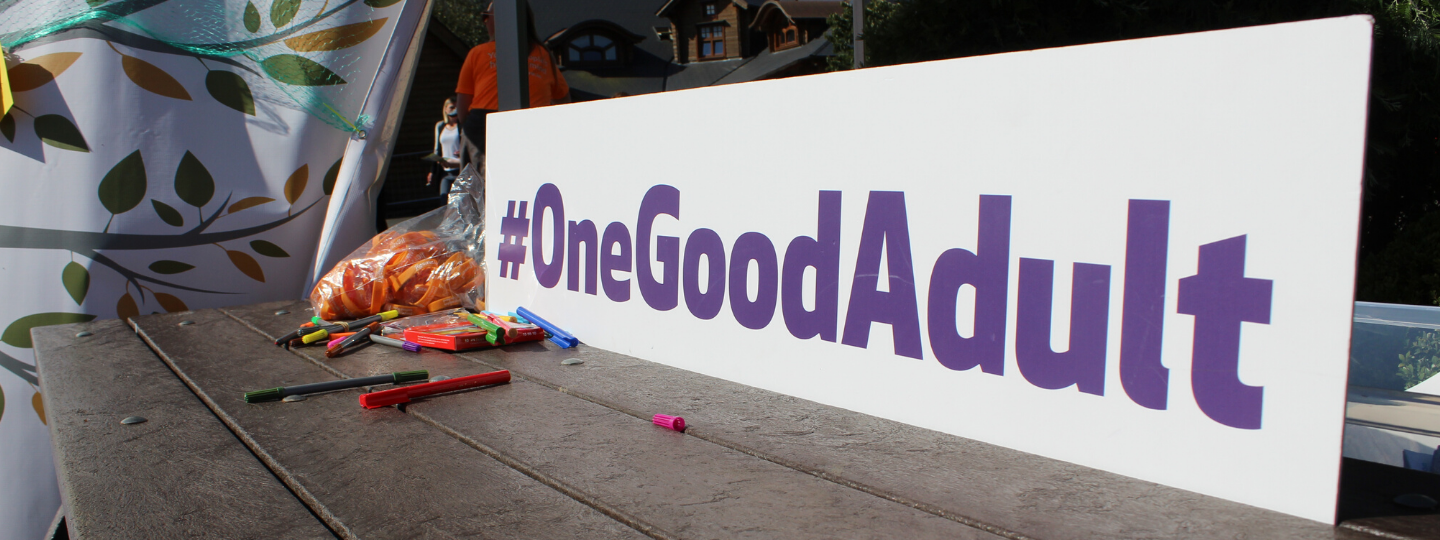
In Jigsaw and UCD’s My World Survey in 2012, young people were asked if there was a special adult in their lives they could turn to when they were in need.
71% of young people had at least one adult they could talk to when they needed support. Here we asked Jigsaw Youth Advisory Panel volunteers who their One Good Adult was. Who is your one good adult?
Assertive communication
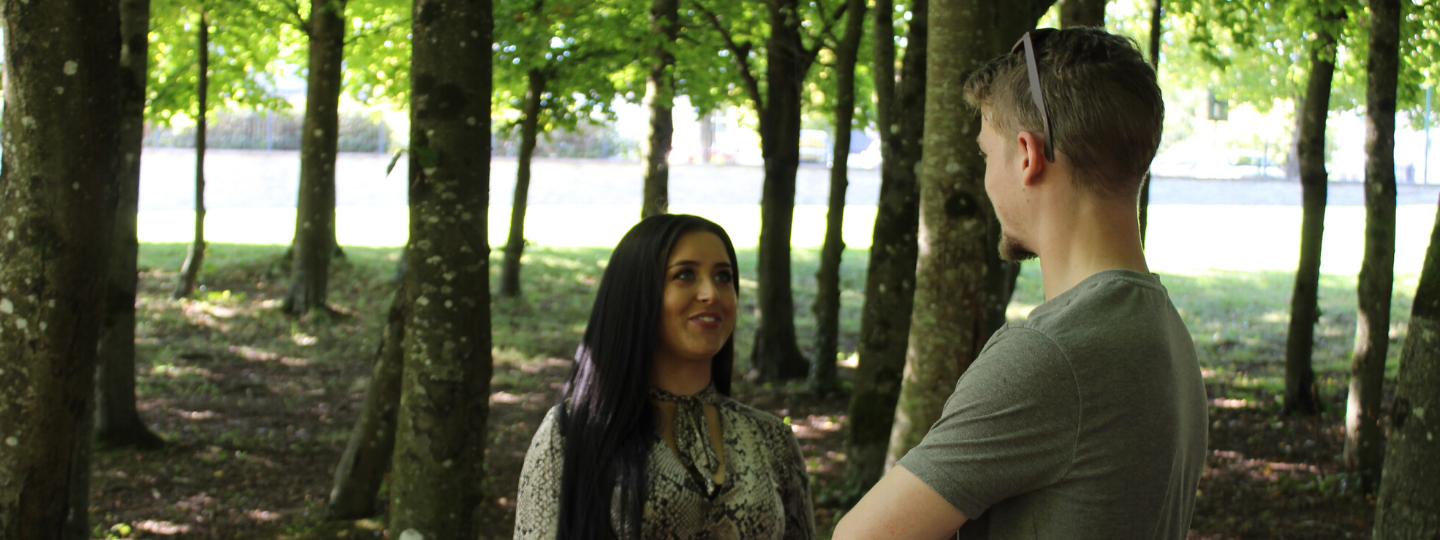
Assertive communication means expressing ourselves in a direct, open and honest way that is respectful of other people.
It is about communicating our needs to another person and working towards ‘win-win’ solutions to avoid confrontation.
Imagine a seesaw where passive communication is on one side and aggressiveness on the other. Assertiveness is the neutral, level middle ground.
Watch: Good days and bad
Ricky is 24 and from Sligo.
Following a relationship break up Ricky experienced a dip in his mental health and decided to go to Jigsaw. He still has good days and bad days, but feels he has developed the skills he needs to help him cope. Here Ricky talks about his experience.
Coming out about your sexuality

Whether it’s your first time coming out, or your hundredth, it can be both a daunting and liberating time.
Coming out begins with coming out to ourselves. We need to allow time to explore and discover who we are physically, romantically and sexually attracted to. Here are some tips that can be helpful to remember.
Dealing with change

We face many changes throughout our lives.
We might be finishing primary or secondary school, starting college, or getting a new job. Some of us decide to leave home or even move to a new country.
Change can occur within our families, such as separation, divorce, or the death of a family member. The world itself goes through many changes too. The political, environmental, and social environments are always in flux.
It can also be exciting, daunting, or exhausting. No matter what we feel about it, change is inevitable and can’t be avoided. When we’re finding it difficult, often the problem isn’t the change itself, but how we deal with it.
Ending a relationship

Breaking up with someone is never easy. Making a decision to move on is sad even if it’s something you both want.
If one of you wants to break up and the other doesn’t, it gets even more complicated.
However, if your relationship is abusive, emotionally or physically, you should end it. No matter how much you care about each other, ending an abusive relationship is always the right thing to do.
It doesn’t matter how long it lasted, or how serious the relationship was. It’s about what it meant to you. How you felt about that person and how the relationship actually ended will all impact how you react to it.
There is no right or wrong way to feel. Every relationship is different. Acknowledge and allow yourself to feel whatever is going on for you.