Jigsaw
Search Jigsaw

80 cyclists, two days, €210k – looking back at the Applegreen Cycle

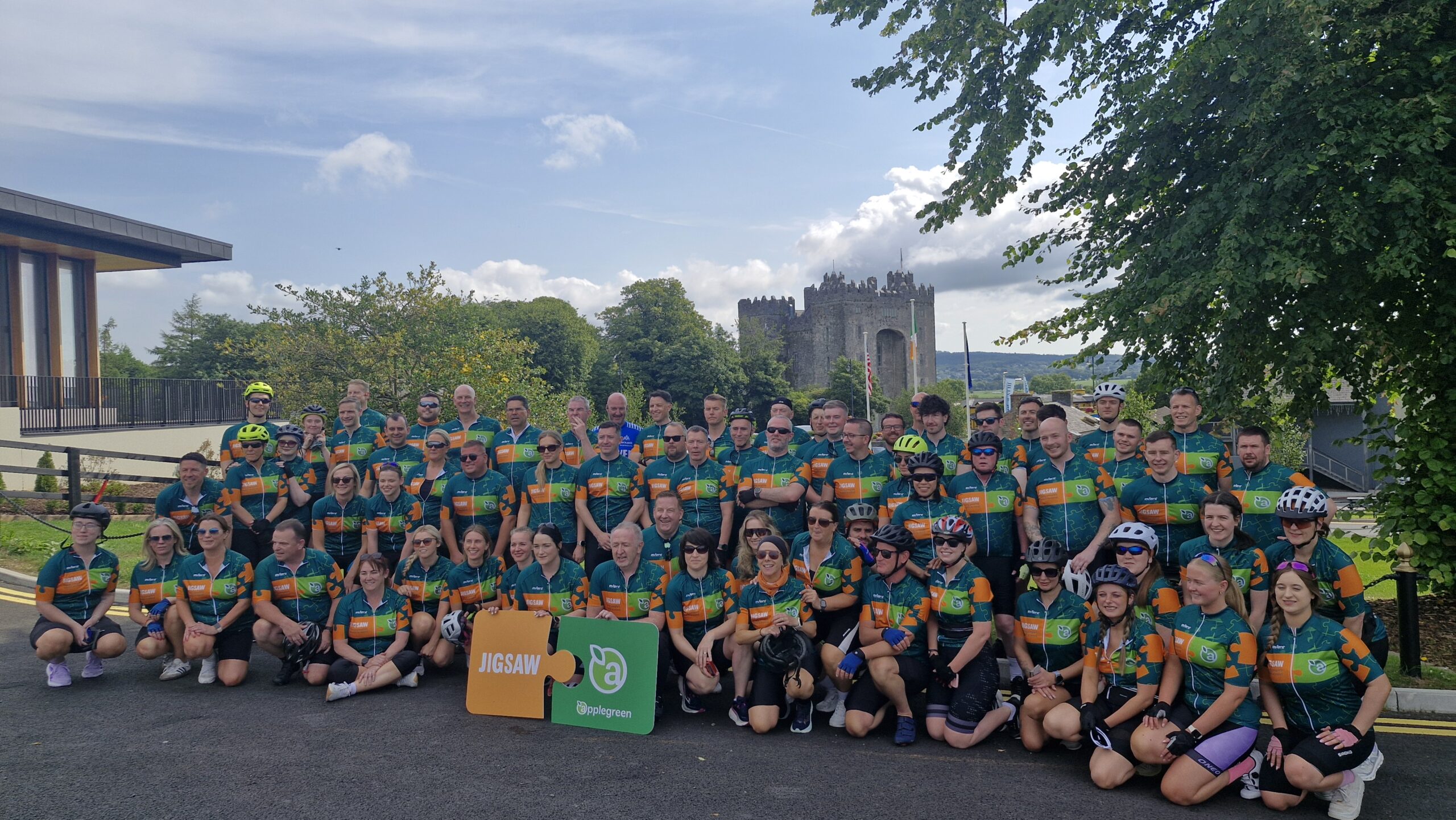
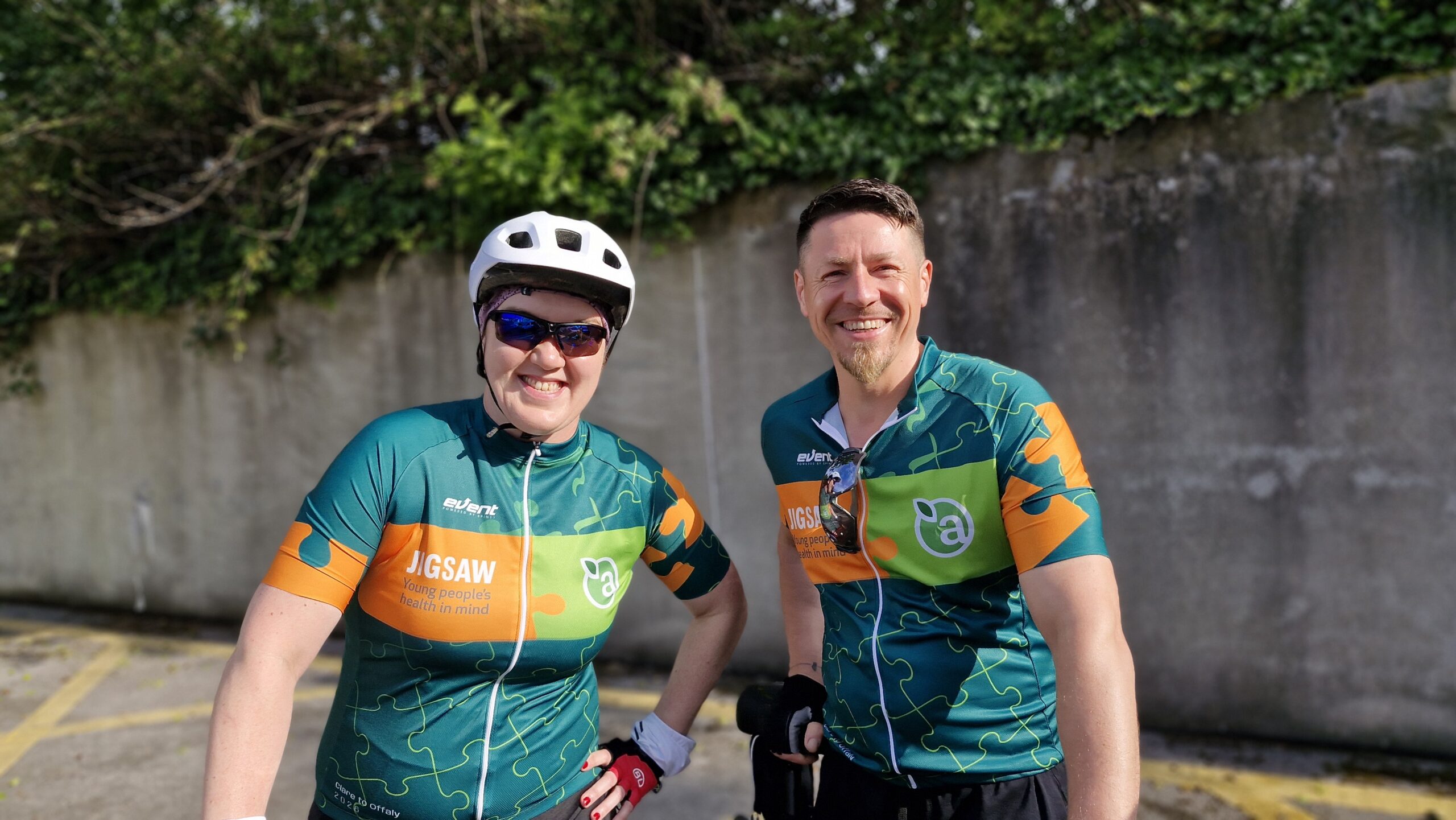
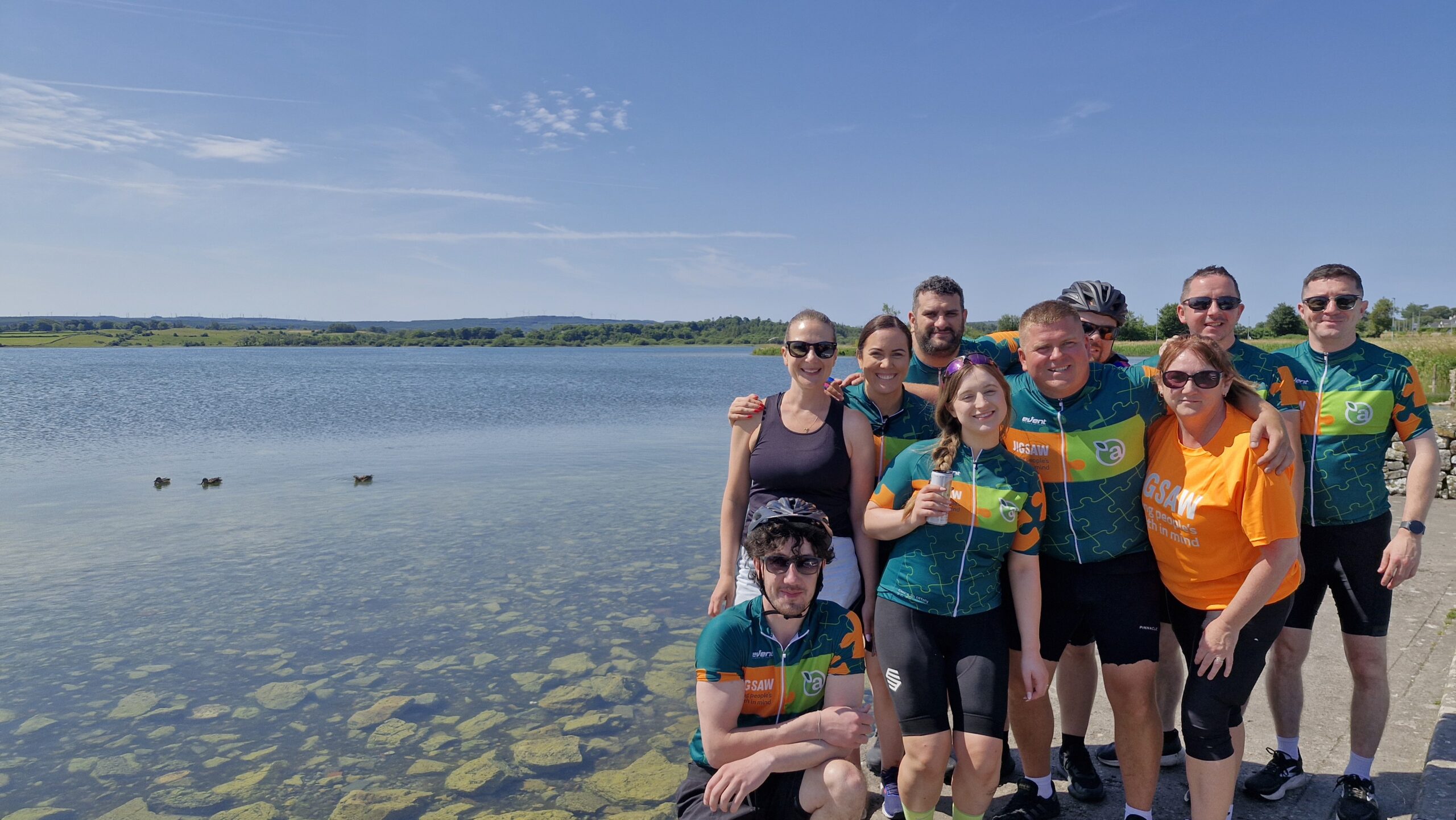
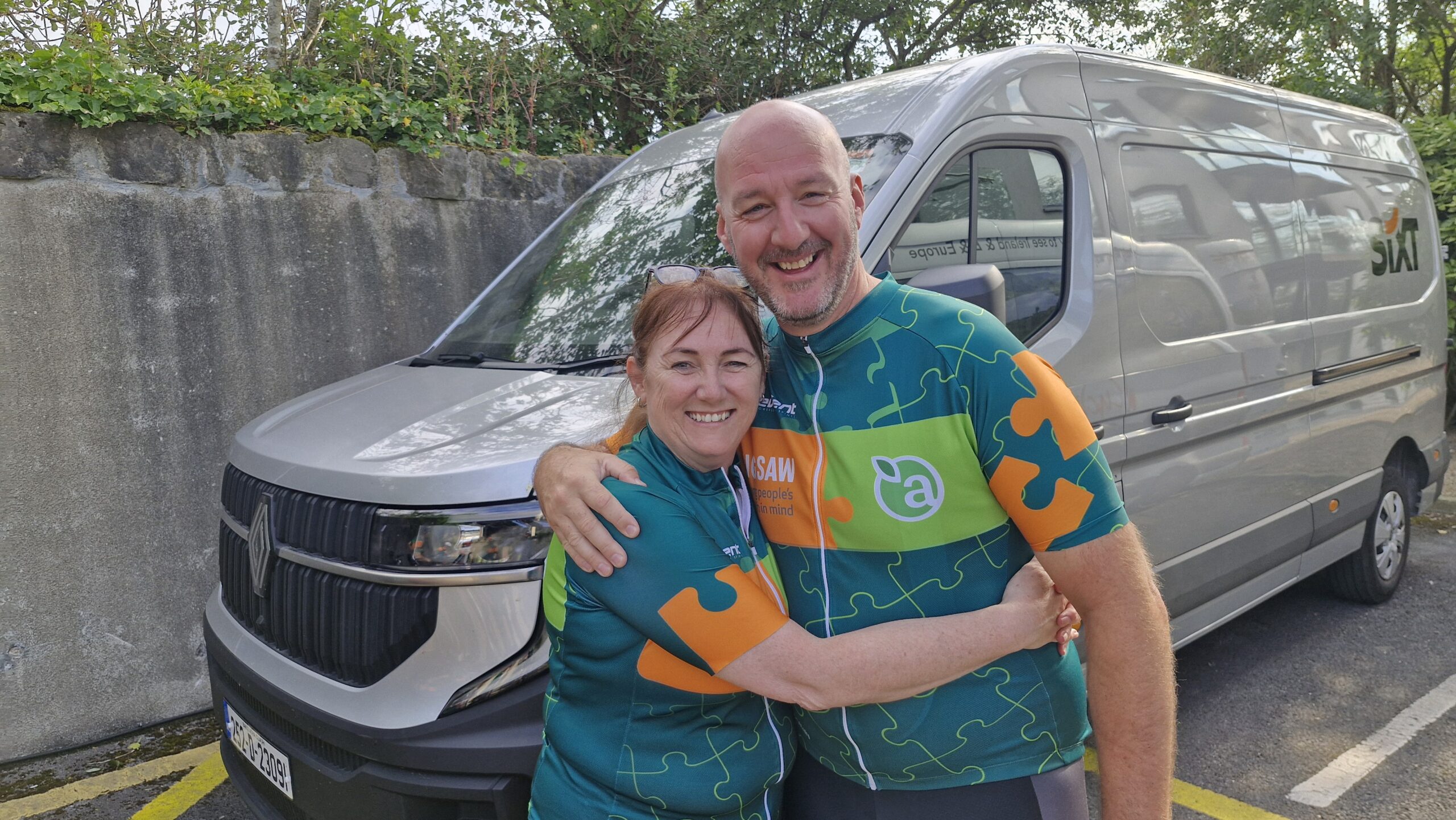
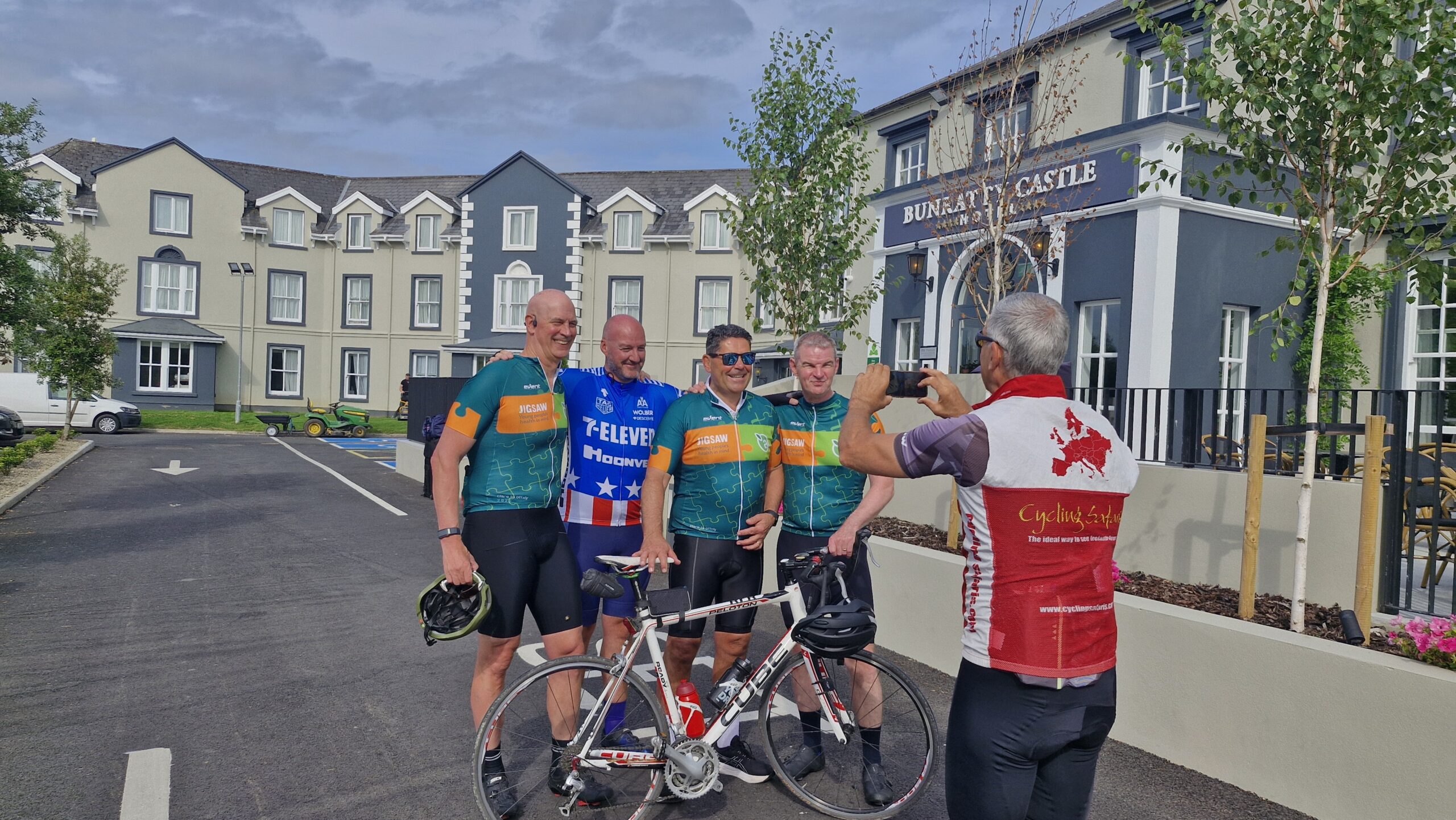
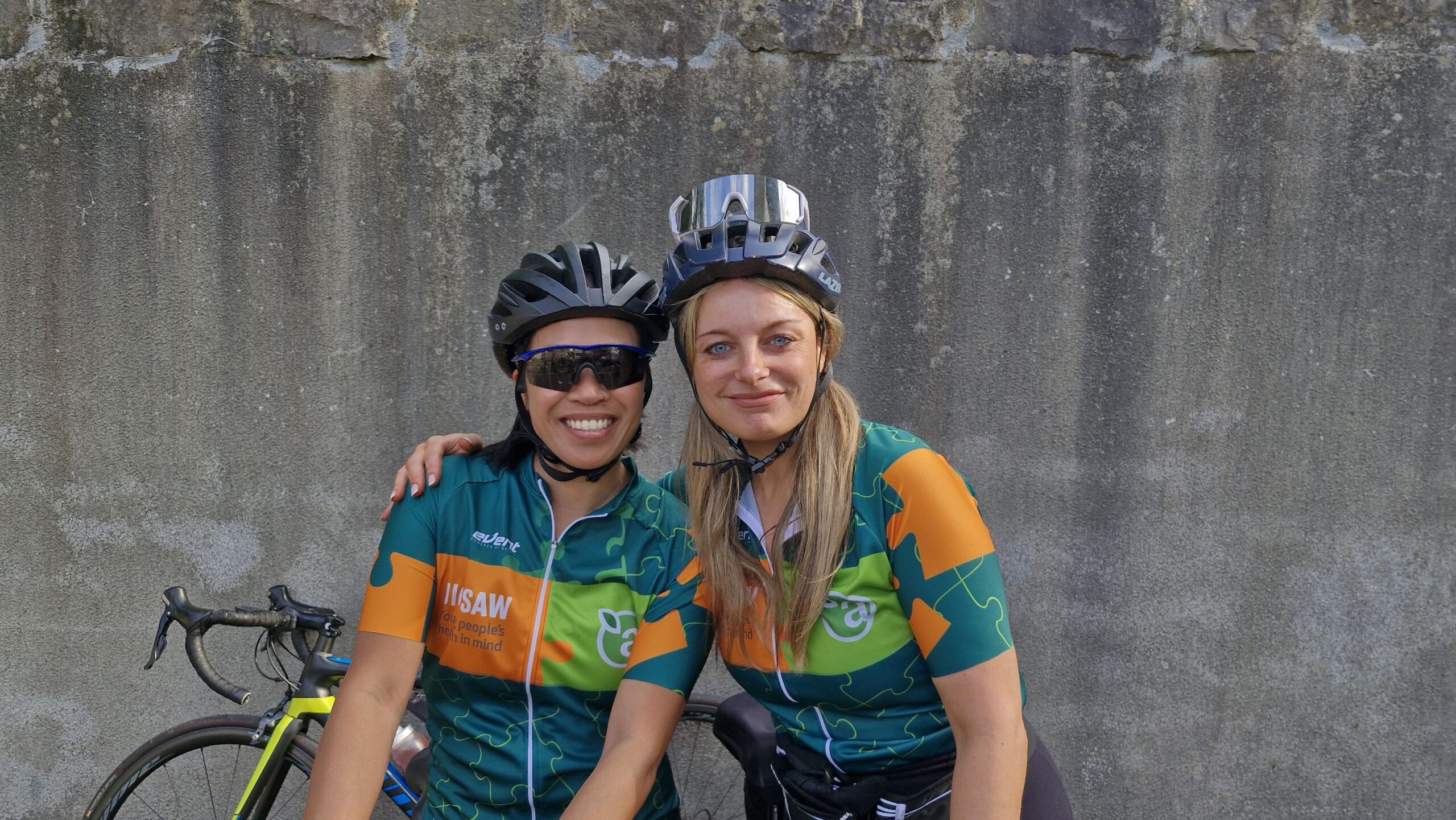
Last weekend, over two glorious days on July 10th and 11th, 80 colleagues from across Applegreen got on their bikes for the Applegreen Cycle.

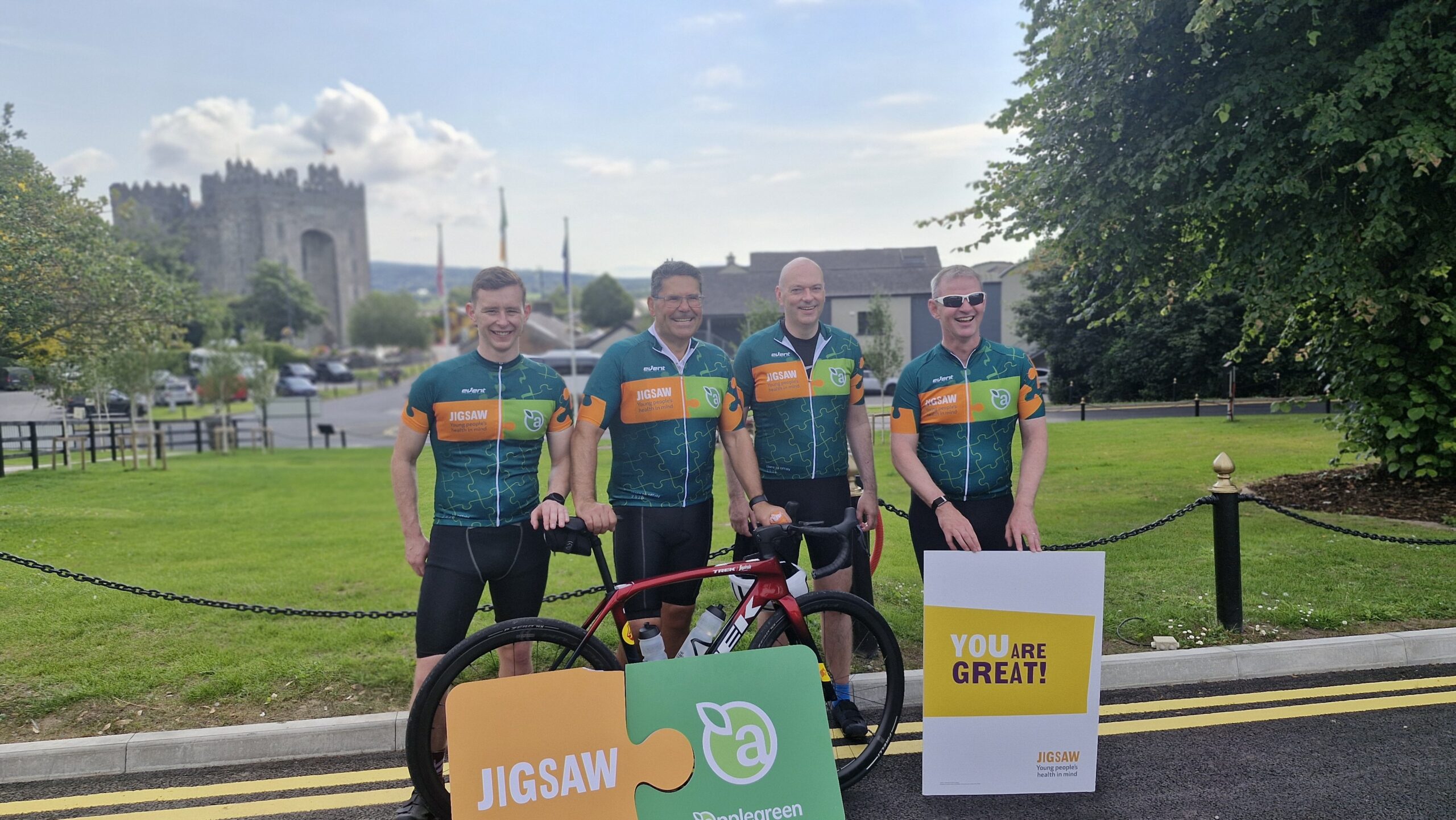
Open to cyclists of every skill level, the route took the team from the historic castle at Bunratty, Co. Clare, all the way to Tullamore, Co. Offaly. While experiencing some of the most beautiful cycling scenery Ireland has to offer, the team embarked on an incredibly challenging, positive, and powerful few days in the saddle.

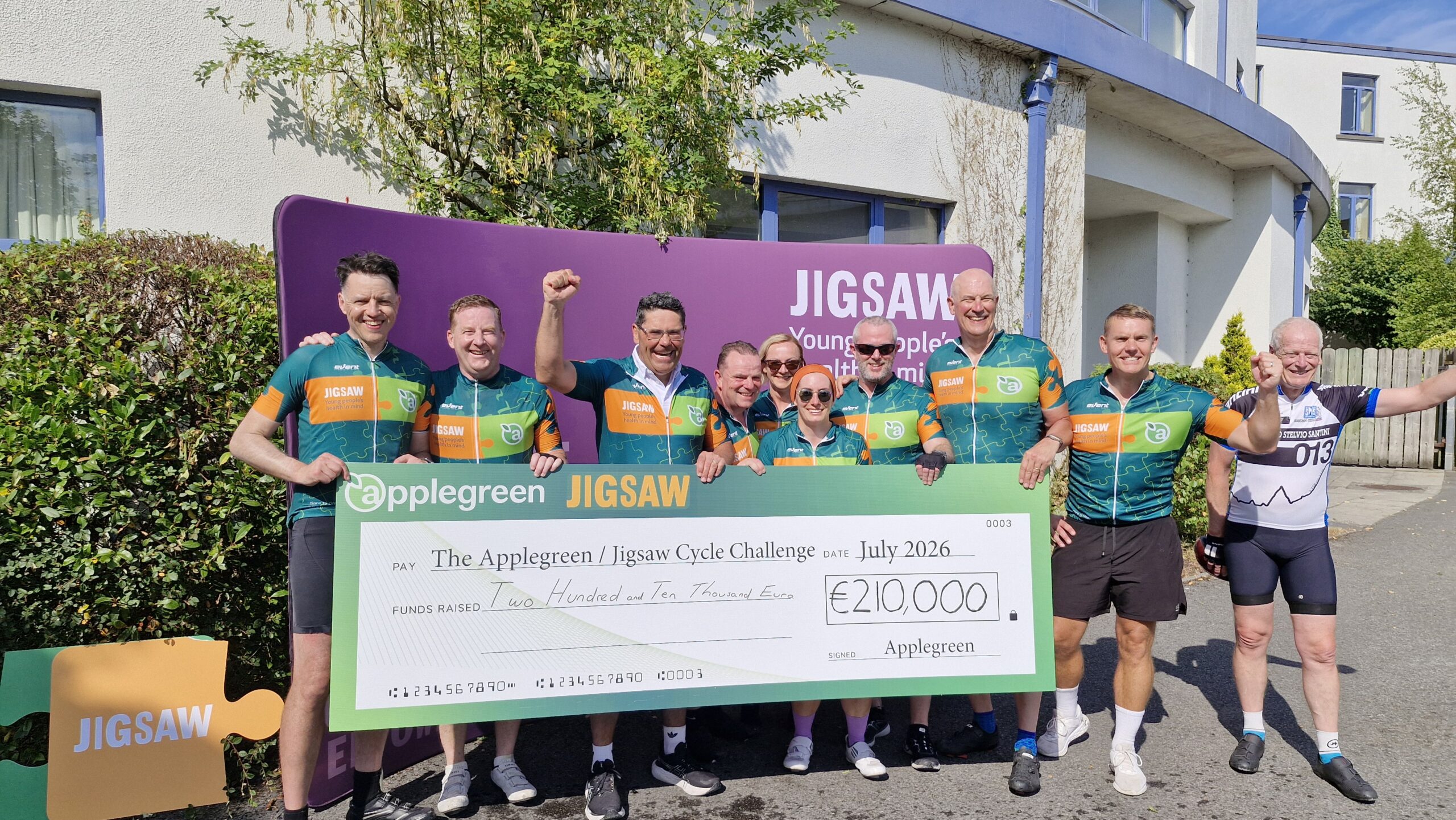
Most importantly, their monumental efforts have raised an astounding €210,000 to date for their charity partner, Jigsaw.

There is something deeply fitting about cycling as a symbol for this cause. Progress isn’t always easy. Sometimes the road is steep, the wind is against you, and the finish line seems a long way off. But with determination, support, and people alongside you, it’s possible to keep moving forward.

By turning the pedals, one after another, these cyclists demonstrated huge generosity toward the children and young people (aged 12-25) we support day in and day out across our 14 regional services. The vital funds raised will directly support our free therapy and mental health resources. This journey taken together was one of true solidarity—with each other as colleagues, and with us as a charity partner, and we are hugely grateful.

By choosing to champion this cause, Applegreen colleagues have shown that youth mental health matters. Their dedication on and off the saddle will help fund vitally important and pressing solutions, ensuring that when a child, a young adult, a mam, or a dad reaches out and asks for help, we are there.

Every climb tackled, every headwind battled, every puncture fixed, and every turn of the wheel was for something so, so important.

To everyone who organised, supported, donated, or cheered from the sidelines—thank you.

Find out more about the cycle and the ongoing partnership at applegreen.jigsaw.ie.

Are we leaving our youth behind in the digital era? A new EU report points to Jigsaw as the way forward

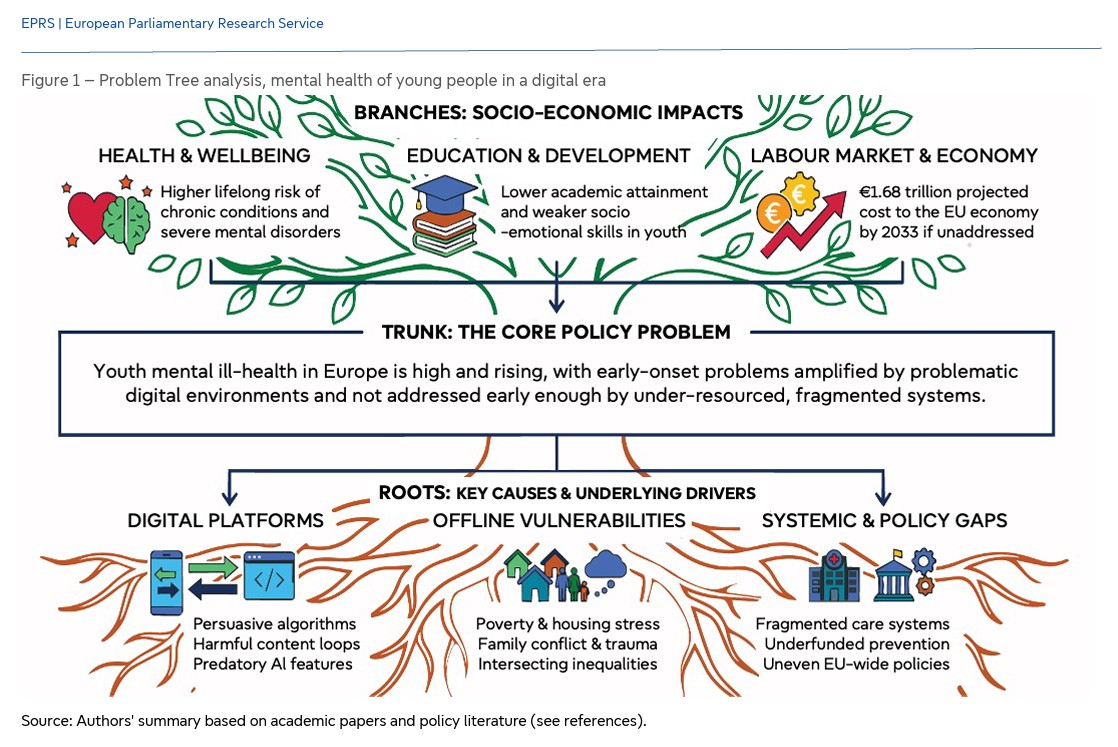
It has been a significant week for youth mental health in Ireland and across Europe. The European Parliamentary Research Service (EPRS) has just released a major new report: Mental health of young people in a digital era. The findings are stark, detailing the unique modern pressures on our youth, but the report also brings validating news for our community: Jigsaw’s youth hub model is highlighted in the report as a leading, successful example of how to properly support young people.

The “Missing Middle” and the cost of inaction

The report paints a worrying picture of the escalating pressures facing young people. Currently, almost one in five young people in the EU lives with a diagnosable mental disorder, with anxiety and depression leading the burden. Furthermore, adolescents are increasingly struggling with sub-clinical distress—such as sleep disruption and low self-esteem—exacerbated by the digital environment, including persuasive platform designs and algorithms that promote harmful content.

One of the most critical structural issues identified by the EPRS is the “missing middle”. Mental health systems across Europe are frequently structured to treat only acute, severe crises. This leaves a massive gap for adolescents experiencing mild-to-moderate psychological distress, who often languish on long waiting lists or receive no formal support until their condition deteriorates. The socioeconomic cost of ignoring this missing middle is staggering: if we maintain the current status quo, youth mental ill-health will cost the EU economy an estimated €1.68 trillion over the next decade.

Jigsaw’s approach: A blueprint for Europe

This is exactly the gap Jigsaw exists to fill, and we are immensely proud to see our work recognized as a “mature” and effective community intervention model at the European level. In its assessment of solutions, the report praises Jigsaw for providing an essential intermediate tier of early care.

The EPRS highlights our core model: providing free, brief, primary-care-level talking therapy designed to build coping skills and prevent early distress from becoming entrenched. Crucially, the report champions our low-threshold accessibility. By allowing young people aged 12-25 to self-refer—bypassing the need for a general practitioner referral—we remove massive administrative barriers and accelerate access to non-stigmatizing care.

We see the daily impact of this approach across our 14 regional services. It is incredibly validating to see the report cite our strong outcome data, noting that between 62% and 68% of Jigsaw participants show reliable and clinically significant improvements in their psychological distress. The report also emphasizes the strength of our multidisciplinary teams—which include psychologists, social workers, and youth workers—and our integration with local schools and primary care providers.

Moving forward with the recommendations

To turn the tide on this crisis, the EPRS report proposes six core EU-level policy options. Notably, Option 2 calls for a dedicated EU framework to support “youth-friendly early-intervention services” or youth hubs—directly mirroring the Jigsaw model. It recommends exactly what we have built: low-threshold access, multi-disciplinary care, and youth-centered environments.

We have long advocated that community-based, youth-friendly support should be the standard everywhere. This European recognition is a profound testament to the dedication of our staff and the young people who inspire us. Now, it is time to use this momentum to ensure that every young person in Ireland has a safe place to turn to when the digital and offline worlds become too much.

Back To Top