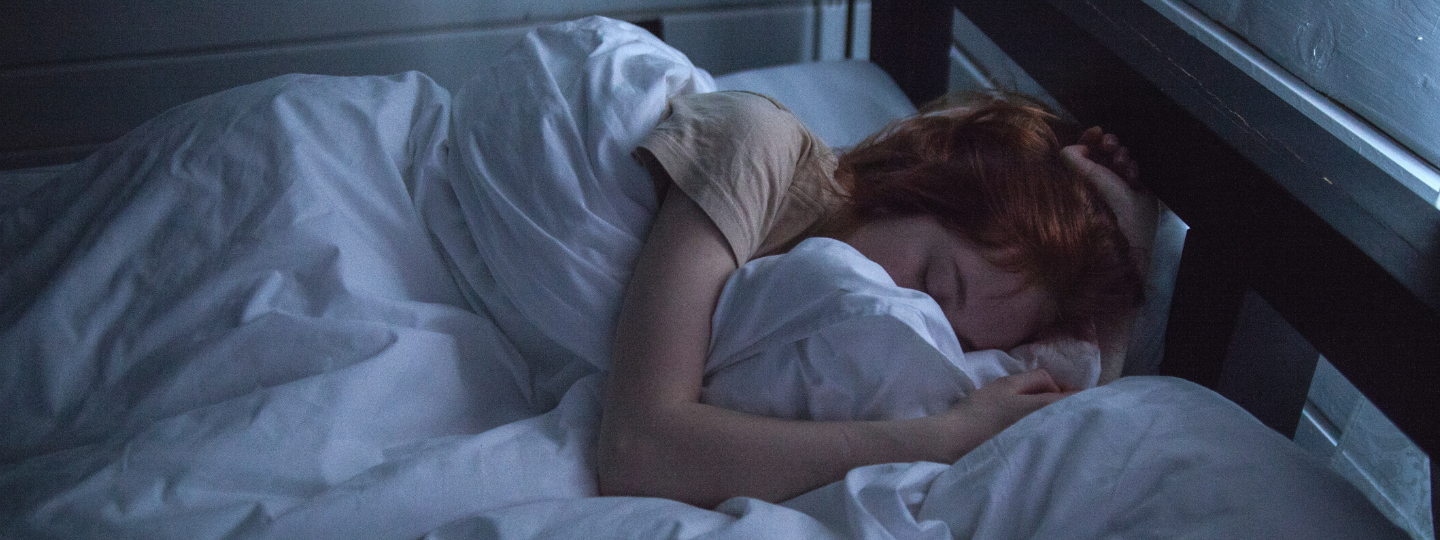
We all need our sleep. Regular, long stretches of undisturbed quality sleep is essential for our mental as well as physical health.
“Sleep is the single most effective thing we can do to reset our brain and body health each day”, according to Professor Matthew Walker, neuroscientist, and author of ‘Why We Sleep’.
Many of the young people who attend Jigsaw face-to-face services report sleep difficulties as one of the issues they are facing.
In this article, you will learn:
How much sleep do young people need?
Our sleeping rhythms and needs change as we get older. Although we may feel we can manage with a certain amount of sleep, there are recommended times for overall health.
Teenagers need between eight to ten hours sleep a night, though they are more likely to get around seven. Adults require a bit less; between eight and nine hours. These guidelines may seem ambitious, or even unrealistic. But sleep is essential for your health and for cognitive functions like learning.
Research has proven when school start times are put forward to allow students to get more sleep, it leads to an increase in academic performance. In a 2018 study, a Seattle High School delayed its start time by an hour and saw a 4.5% increase in the median grades of the students. It also saw an improvement in attendance.
It is possible to sleep too much (over ten hours regularly). Find out the right amount of sleep for you within these guidelines to feel rested when you wake.
Sleep disruption and sleep deprivation can really impact our mental health and wellbeing. Here are some of the ways we may feel it:
Changes in mood
We might find ourselves more irritable and cranky. When we’re not getting enough sleep we can get angry, frustrated or upset more easily. We can feel less control over our reactions to things and people.
With poor sleep we’re more vulnerable to low moods, feeling sad, and a lack of enthusiasm.
Fatigue
Problems with sleep can leave us fighting feelings of tiredness during the day and drifting off in class and lectures. It’s also not unusual to experience headaches from lack of sleep.
Concentration difficulties
Attention, concentration, memory, and reaction times are all affected by poor sleep. You might forget things and make bad decisions, and take risks you wouldn’t if you were fully rested.
I’m just tired and can’t sleep
This animation was developed for us by students in the Institute of Art, Design and Technology in Dún Laoghaire, Co Dublin. It outlines what might be getting in the way of you having a good night’s sleep and what you can do about it.
Why is your sleep disrupted?
There are a lot of factors that could be influencing your sleep.
Stress is a big one. If there is something making you anxious, it can resurface at night and interrupt your ability to rest. This is especially the case if it’s something you don’t feel you have control over.
Irregular sleeping patterns confuse our body’s natural rhythm. Pulling all-nighters before exams, or binge-watching Netflix all night at weekends can seem harmless. But it can cause us to struggle to sleep properly for days, or weeks, afterwards.
Sometimes a change in routines such as a new school, college, or job can require you to wake hours earlier than you are used to. That can take a while to get used to.
If you’re not sure why you’re not sleeping well, keep a sleep diary. Record times you go to bed and get up, what and when you ate, caffeine consumption, whether you exercised during the day, and what you did before bed. This can give you a better picture of what’s going on and what changes you can make.