Jigsaw
Search Jigsaw

Porn and mental health

As technology advances, the accessibility of porn has increased. We know that many young people in Ireland are consuming porn.

The recent My World Survey, a study of young people in Ireland, had relevant results on this. It found that almost two-thirds of young adults had watched pornography on the internet.

Feeling anxious as society reopens

Lockdown life since March 2020 brought about many changes for all of us. The easing of restrictions may be very welcome but can bring some feelings of anxiety along with them. 

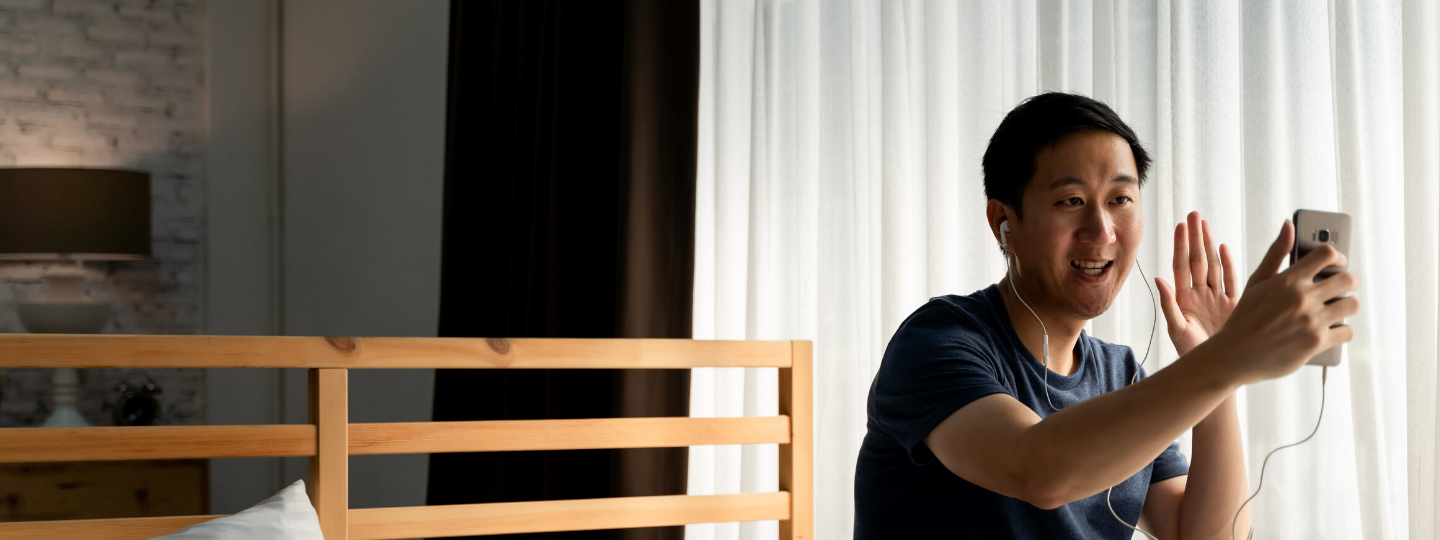
One of the biggest changes for the last year was our social interactions. The on-again off-again seeing people outside the home, led to some creative ways to stay connected. But, it has been a challenge for many to not be able to visit their support systems.

Looking forward to the end of lockdown

If someone told you last Christmas about an impending global pandemic, where people were encouraged to stay at home you would have thought it was science fiction. 

Faced with challenging times, we can look for different options to help. Sometimes it’s good to work out what we need in the moment and at that time for support. Other times it can be good to plan for things to look forward to, or work out what’s important to us for the future.

We asked some of our young volunteers around Ireland about what they were looking forward to and wanted to share some of these with you.

Family and friends

Unsurprisingly, a lot of our volunteers mention friends and family.

I’m looking forward to spending time with my family and friends after lockdown. Aisling O’ (18) Meath

Seeing my friends and going shopping. Amina Abdallgany (17) Meath

I am excited to see and spend time with my friends and family. Annemarie Driver (20) Meath

Going back to work, seeing my family and friends. Emily (18) Donegal

Seeing my friends. Daragh Nerney

Being able to go see my granny, friends and extended family members. Ruth O’Dea, Clare/Galway

Hugging my nieces and seeing my family and friends. Visiting my boyfriend whom I haven’t seen in over 4 months. Keith Judge (24) Dublin

Seeing my nana and giving her a hug. I saw her everyday after work and I miss that. Nicola (19) Dublin

I cannot wait to see my friends and family when this is all over! My godson was born the first week of lockdown so I am yet to meet him! This young volunteer has chosen to be anonymous.

Spending time with my friends. Yvonne (24) Limerick

I’m most looking forward to giving all my family and friends and big hug and spending time with them again. Mark (22) Dublin

The impact of parents’ mental health

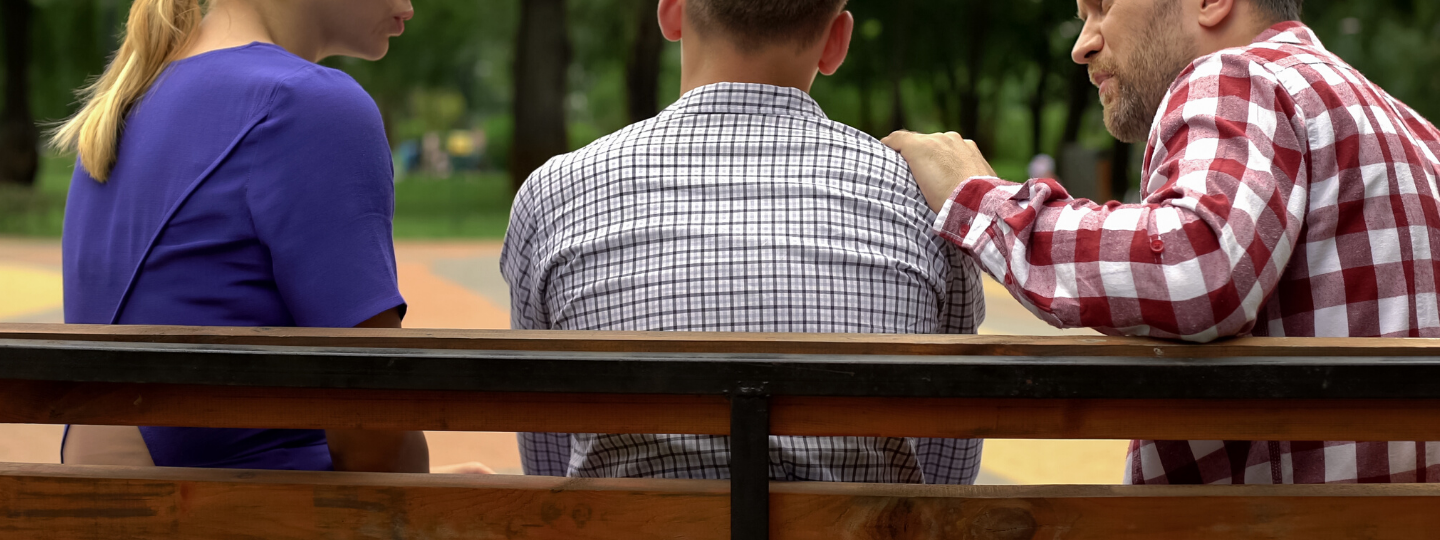
A person’s mental health can affect those close to them. It can be difficult for a young person if one or more of their parents are struggling.

This might be because they’re worried about them, or because the parent is not able to do the usual stuff they do.

If this is something you’re going through, here is an outline supports and other ways to help.

The impact of alcohol on mental health

Ireland has a reputation as being a country of drinkers. It can be difficult to socialise without feeling pressured to having a drink, or three. Some people use alcohol as a crutch to help get to sleep or deal with stress, especially during the pandemic where those experiences are more common.

We know from our recently published My World Survey, young people who do drink are consuming amounts that are damaging to their health.

There are many reasons to choose to drink alcohol. We may feel more relaxed or sociable, enjoy the taste, or other people are drinking. Whatever your reason for drinking, be aware of the amount of alcohol you consume. Make sure you know how it can impact negatively on your mental and physical health.

In this article, you will find:

When do I need to get help for my mental health?

There are lots of ways to think about and describe mental health. We all have mental health and when we face various challenges it can be impacted.

We can start to find things difficult and may wonder what to do next. There are many different types of support out there to help us look after mental health. There is no ‘one size fits all’ approach.

Getting support

Not everyone who experiences challenges with their mental health will need to access a service for support. If something is causing you to feel stressed, talk to a good friend, family member or a trusted adult. This can be enough to get you through.

Being anxious in social situations

Sometimes, being around people can be nerve-racking. Many of us experience anxiety in social situations.

Having to speak in public, or walking into a room of people you don’t know, or performing in front of a class can make the most confident person feel anxious.

Feeling very self-conscious in social situations is more common than you think. Many young people who come to Jigsaw tell us they can find being around classmates, strangers or even friends quite difficult. If this sounds familiar to you, know that it doesn’t have to be that way.

Here we’ll explore why you might feel that way and what you can do about it. In this article you will find:


Dealing with a breakup

Whether you broke up with someone, they broke up with you, or the decision was mutual, feelings can be tough. We can feel sadness, loss, guilt, or anger.

Sometimes we can be upset because we’re confused and not sure what happened. Other times it can even be a relief.

It doesn’t matter how long it lasted or how serious it was, it matters what the relationship meant to you. How you felt about that person and how it ended will impact how you react to dealing with breaking up.

Consent and sex

‘Consent’ is another word for ‘agreeing to’. We use ‘consent’ a lot when we talk about sex. In that context, consent means both people fully understand and agree to what they’re about to do.

It is really about communication, respect and awareness of the other person.

In this article, we’ll cover what you need to know about consent and sex.

How do I access Jigsaw?

Are you aged 12 to 25 and looking to get one-to-one support with your mental health? If so, your local Jigsaw service can help.

Getting in touch

Start the process by calling or emailing your local Jigsaw service yourself. Your parent or guardian, or teacher, doctor, or youth worker can also take that first step, contacting the service for you with your permission.

If you are under 18, Jigsaw requires that an adult consent for you to attend. That means we need to check with your parent or guardian and let them know you want to attend our service.

However, it does not mean we have to tell them why you want to come to Jigsaw. We will discuss what we can keep confidential with you when you come in.

Once you get in touch, a member of staff will ask you for some basic details. If you both decide Jigsaw is the right service for you, they will organise an appointment for you with a Jigsaw Clinician.

If your situation is more complicated, they might arrange for a Jigsaw Clinician to call you back. This will be to discuss things in a bit more detail before deciding on the next steps.

What is a Jigsaw service?

Jigsaw is a mental health service. But more specifically, it is an early intervention service for young people at primary care level.

Back To Top