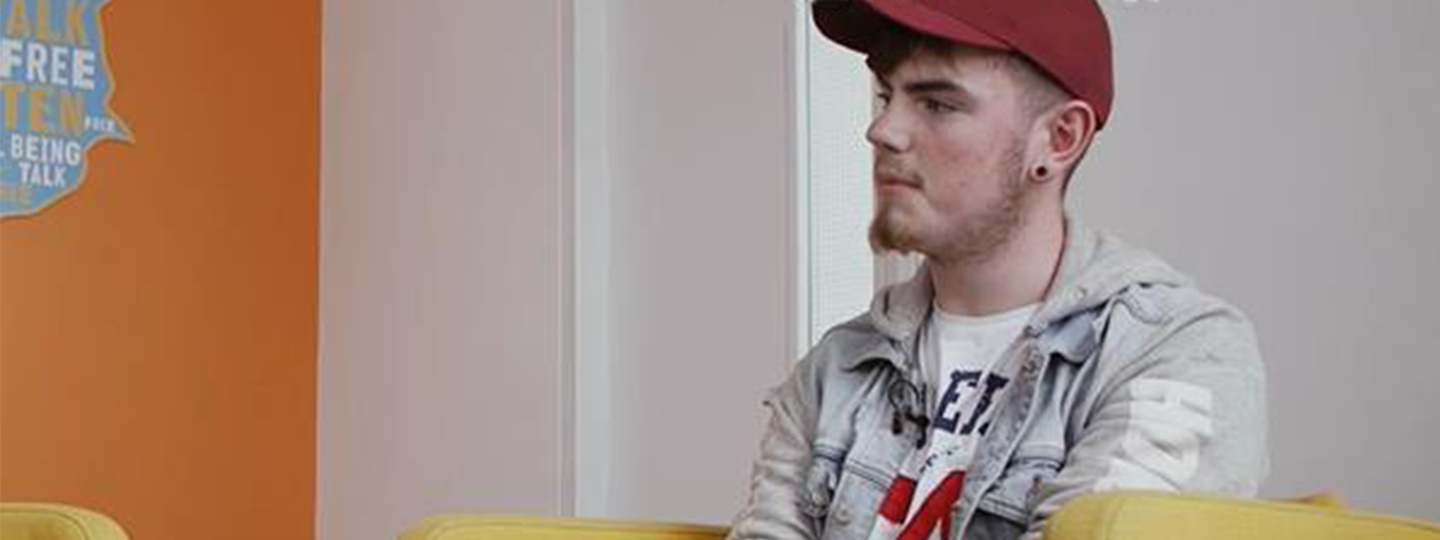
Jigsaw volunteer Sinead from Galway looks back on her experience of the past year (2020).
Category: Information and resources
Online mental health support
Many face-to-face mental health services are now offering support through text, telephone or video-based platforms.
Technology provides great opportunities. But, it can feel daunting connecting with a clinician or counsellor in a new format. There are a few things to bear in mind if you access online therapeutic support or online counselling.
In this article, you will find information on:
Coping with Christmas
Christmas can be the most wonderful or the most stressful time of the year, depending on your situation and outlook. Expectations can be high around this time of year and minding your own mental health should be a priority.
In this article you will find:
Christina’s story: My experience of goal setting
Christina, 24, a Jigsaw volunteer from Dublin shares her experience of goal setting.
With the year we’ve all had, having to put a lot of our daily lives on pause for a little while, it’s been difficult to keep focused at times. I find that setting goals for myself always helps me get back on track.
Setting boundaries with young people
As a parent, you have worked hard over the years to set boundaries for your children. To help them differentiate right from wrong and to make good choices.
However, as they get older many young people may seem determined to test boundaries (and their parents) to the limits.
Spend some time thinking about your boundaries and expectations and how they evolve. This can help avoid some of the conflict that inevitably arises as young people progress into adulthood.
In the article, you will find:
Webinar: Managing family conflict
We held the final instalment of our 2020 series of parents’ webinars on Monday, 7 December.
Jigsaw clinicians Jules and Laura gave a 20 minute presentation on managing family conflict, followed by questions and answers from parents.
You can view the full recording below:
Ask Jigsaw: I’m self harming. What should I do?
I have recently started to cut my wrist and I’m not exactly sure why. I am an extremely shy person and could possibly have social anxiety. At first I thought it was a way of asking for help without actually talking to people but now that I have done it I am extremely scared of anyone finding out and am now terrified of what might happen. I don’t know what to do and need help. I am a very young person and shouldn’t even be considering on self harm. What should I do?
-Sarah
Hi Sarah,
Sometimes there’s no particular reason why people start to self-harm. It can quickly become a habit that’s difficult to break on your own.
Not just in your head
We can often find it difficult to talk about our anxieties and worries. It’s not unusual to form a habit of thinking it’s “all in my head”, or “not a big deal”.
Ask Jigsaw: Everything is overwhelming
I just feel everything is so overwhelming atm, like so much expectations and pressures coming from everywhere. A lot of the time I feel like I cant cope with things everyone else can deal with. I’m just slacking in everything and I sometimes feel like failure.
I tend to jump to the worst case scenario really quickly and I’m worried I might do something impulsive sometime. I don’t really know what to do or how I’ll stop feeling this way, i always convince myself facing up to stuff is too hard to do. Do u guys know what I should do? Thank you 🙂
-Aishlinn
Hi Aishlinn,
It is such a difficult place to be in when it feels like a lot is expected of us and that we are getting pressure from every angle. When we are feeling overwhelmed, it’s hard to start anything and that can lead to feeling like a failure.
The importance of rallying around young people
If you spend any time on Jigsaw.ie or our social channels, you’ll see plenty of references to One Good Adult.
One Good Adult
One Good Adult (OGA) refers to an adult who a young person can turn to if they are in need of support. The theme of One Good Adult emerged from the My World Survey, a national study of youth mental health. OGAs support young people in their life by listening to them, giving them time and space to open up and not judging them.