
Jigsaw
Search Jigsaw

Ask Jigsaw: Friend wants to self-harm

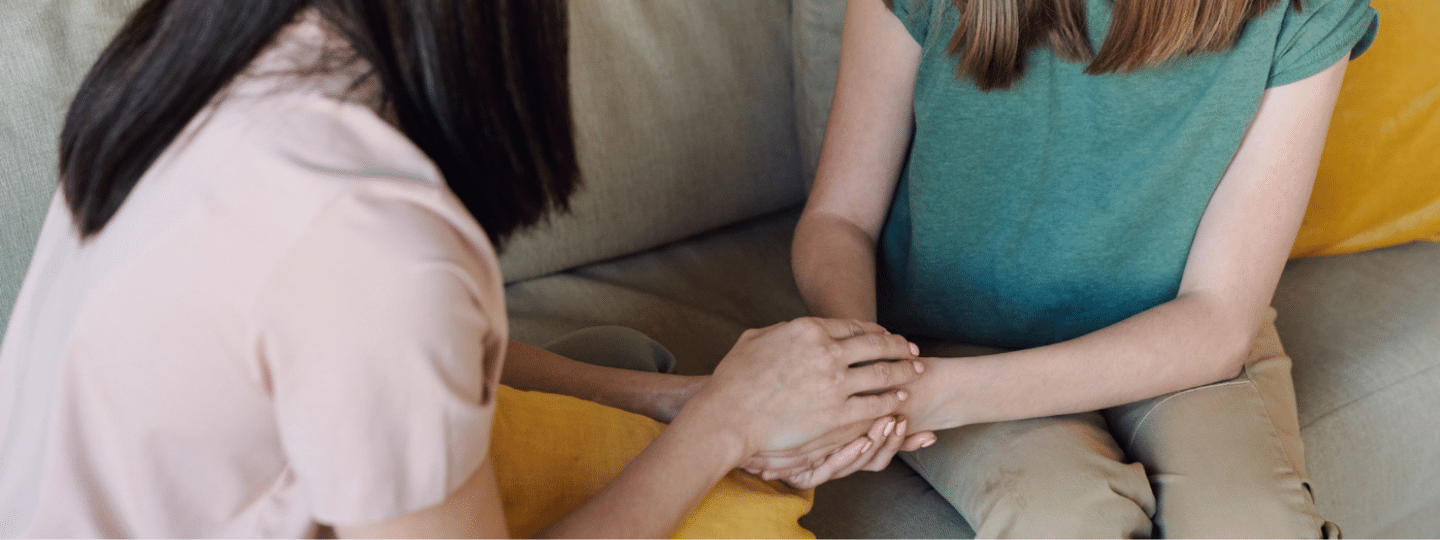
My best friend who is 14 wants to harm herself and I’m able to talk her out of it a lot but I’m afraid if someday I’m not there to help or give her the advice she needs or something like that.

I could really use some help here I’ve already recommended this website for her. I really need help with what to do for her because I am worrying a lot because of this. Please contact me for advice I should give to her. Thanks

-Five 

 

How to ask for help

Whether we are feeling run down, experiencing low mood, or are in crisis we all need to reach out for support sometimes. You are not alone.

Recent research conducted by Orgyen and the World Economic Forum highlighted that 87% of the global population is affected by mental health difficulties. This can either be through individuals’ own experience or that of someone close to them.

Watch: Active listening

We’ve all had the experience of trying to say something to someone who is not really listening to us.

Active listening

In this animation we show how we can engage in active listening by showing young people these verbal and non-verbal signs:

Non-verbal

  • Eye contact, nodding and smiling
  • Leaning forward
  • Mirroring body language

Verbal

  • Remembering what is said. A young person will appreciate your full attention and focus.
  • Reflecting back what you’ve heard. This shows the young person that you’ve understood the key points of what they’ve said.
  • Seeking clarification. If a young person has shared something that you don’t understand, ask them to explain what they mean. This is better than pretending you get something, which a young person will pick up on.
  • Summarising. Recap your conversation and any decisions you have reached together to ensure you are both on the same page.

>> Read more about supporting youth mental health 

Mental health services for over 18s

If you’re feeling down or anxious, or just generally not in a good place, there are many mental health services and supports that can help you.

What mental health services are there if I’m over 18?

Once you’re 18, you don’t need the consent of a parent or guardian to contact any services. But you can ask for support from them if you think it would help.

Below we’ve made a list of the mental health services for young people who are 18 or older. Whichever service you go to can depend on factors like what’s available in your area and what difficulties you’re having. If you talk to a health professional they should guide you on that.

Ask Jigsaw: Afraid of gaining weight

I’m not able to eat enough food during the day. I have seen things saying that a young person should eat about 2000 calories a day but if I do that, I gain weight and that makes me feel terrible but I want to grow. What should I do? 

– Hello  

Hello,   

There are lots of opinions about how many calories someone should eat. With so much information available, it can be very confusing to figure out how much food is a healthy amount to consume.  

How to address self-harm

As a parent or guardian, hearing about young people harming themselves can be really alarming and difficult to understand.

If you suspect that your young person is harming themselves, there is a lot you can do to support them.

Webinar: Supporting student anxiety

The last webinar in our series for teachers this term is about supporting student stress and anxiety. This is a recording of the webinar. It explores ways to recognise and understand anxiety and when it may become a problem. The speakers also look at whole-school approaches to anxiety, responding to individual student needs and recommended resources and support options.

Supporting student anxiety

Supporting young people’s mental health during the pandemic

Through Jigsaw’s work with young people, we are continuously reminded of the challenges parents face, and their desire to help.

It is no easy feat being a parent. The biggest issues right now are dealing with the threat of lockdown, ongoing restrictions, and the uncertainty they all bring.

The pandemic has brought uncertainty and a rapid change to our lifestyle. It has increased the potential for anxiety and frustration, not only for young people, but also for parents.

Back To Top